
Interview with DP Lang Kuo
"River Journey East" is directed and written by Hu Zhaoxiang, produced by Huang Maochang, with cinematography by Lang Kuo. It tells the story of an aftershock from an earthquake twelve years earlier that creates a mysterious space-time connection between young Xiao Li and his childhood. The script was shortlisted as a top-ten project in the 2020 Chinese Youth Film Festival's "Falcon Plan" investment showcase, and the pilot was filmed in early October.
This pilot excerpt selected six scenes from the feature screenplay, showcasing the spiritual states, personalities, and relationships of the main characters. Director Hu Zhaoxiang attempted to capture a sense of the fantastical and 'spectral' in everyday life and objects—using the idea of 'returning spirits' to reach the darker corners of the protagonist's memory.
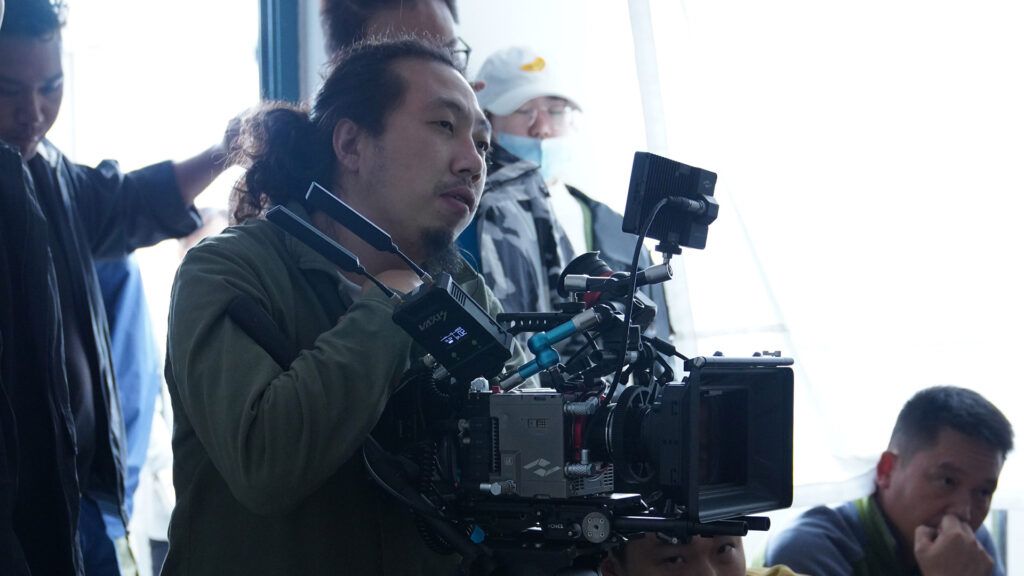
The film's DP Lang Kuo chose the Kinefinity MAVO LF as the primary camera for this shoot. Here's his creative approach!
When I was discussing this script with Director Hu back in May 2020, I already knew the shooting conditions would be full of challenges—especially the final scene!
The director wanted an overcast nighttime exterior, but didn't want the light sources to look too artificial.
The original plan was to ask the production team to build a 12×12×2-meter truss frame, use butterfly diffusion and black/silver reflectors to create a large soft box, and place nine ARRI S60s inside it. Then use small fixtures like the ARRI M8 around the truss to slightly lift the distant background environment within the frame.
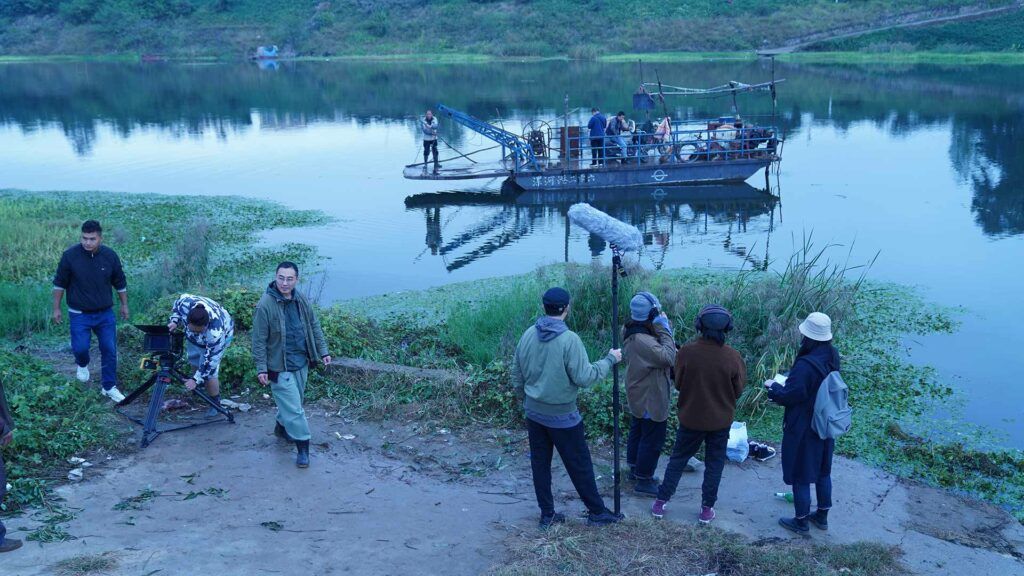
But after scouting, we found that the small paths along the entire riverbank were so narrow that even a minivan could barely squeeze through. The director refused to change the location, so this seemed like an unsolvable problem.
Later, while co-shooting "The Long Night Is Almost Gone" with cinematographer Mei Shuxuan, I was introduced to the MAVO LF. Watching Mei shoot on the doorstep of the Waibulou restaurant in Hangzhou at ISO 10240, using just a tiny bit of fill light and the minimal ambient municipal street lighting—I suddenly felt like Director Hu's hardest scene in the entire film might actually have a solution!
After reviewing the footage from "The Long Night Is Almost Gone," I thought: even at the seemingly impossible ISO 10240, as long as you can expose just slightly over, the noise performance is genuinely impressive—it looks like industry-standard ISO 3200.
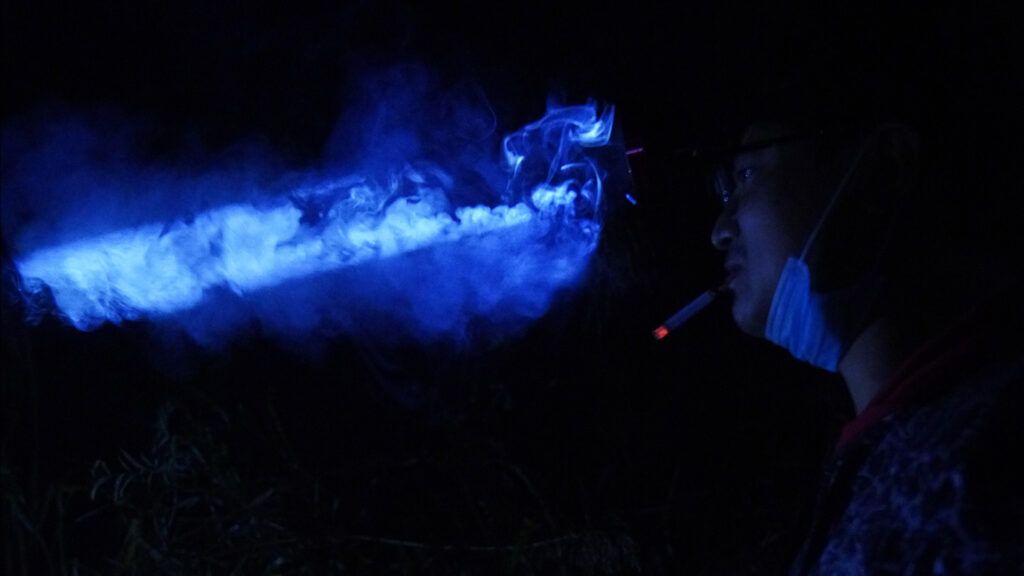
The MAVO LF's high-ISO performance truly exceeded my expectations. When I recommended this camera to Director Hu, I said: 'Let's shoot—as long as there's a moon, I can make it work!'
But then another problem arose: the MAVO LF works fine for low-light shooting, but what about daytime scenes?
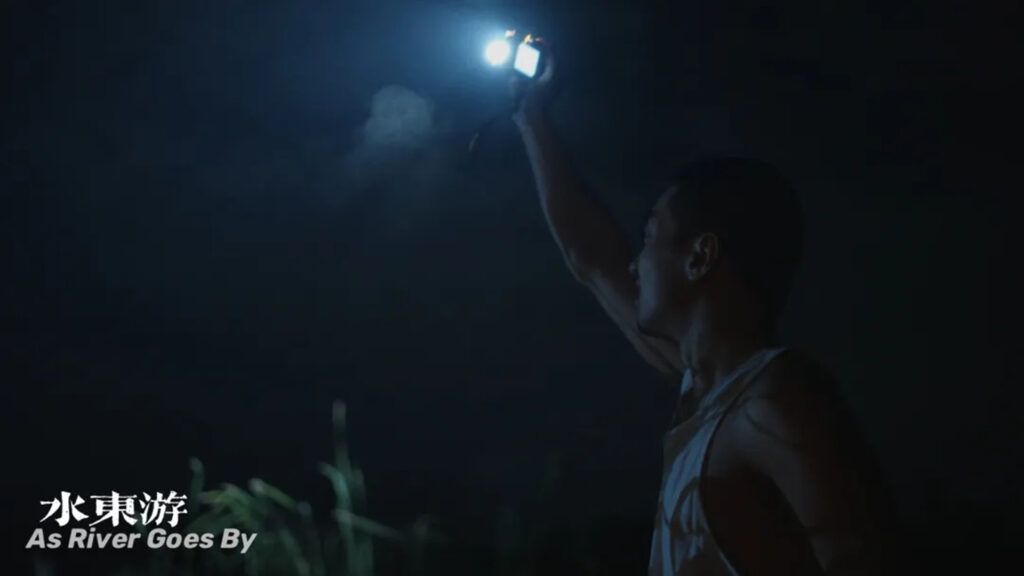
I considered using a different camera for the scenes where lighting control would be easier, but after carefully reviewing the tests, I concluded that the difference in image grain character would significantly affect viewers' immersion. I also felt that cutting from ISO 800 to ISO 10240 would be a jarring and unpleasant experience for the audience.
So I discussed it with Director Hu and proposed using the MAVO LF for the entire film at ISO 10240 throughout. The director indulged my stubbornness completely.
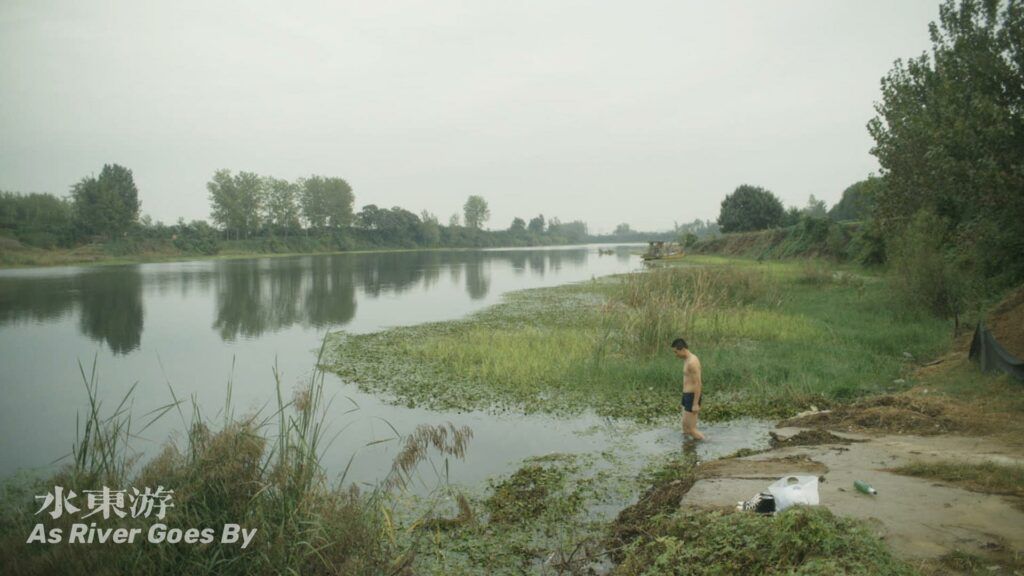
So we tested the MAVO LF in a daytime exterior—still at ISO 10240. And the results were genuinely full of surprises! With sufficient illumination, this ISO 10240 looked like industry-standard ISO 1600 or even 2560. That was truly remarkable. Cutting between day and night scenes now flows so much more smoothly than cutting from ISO 800 to 10240 would have.
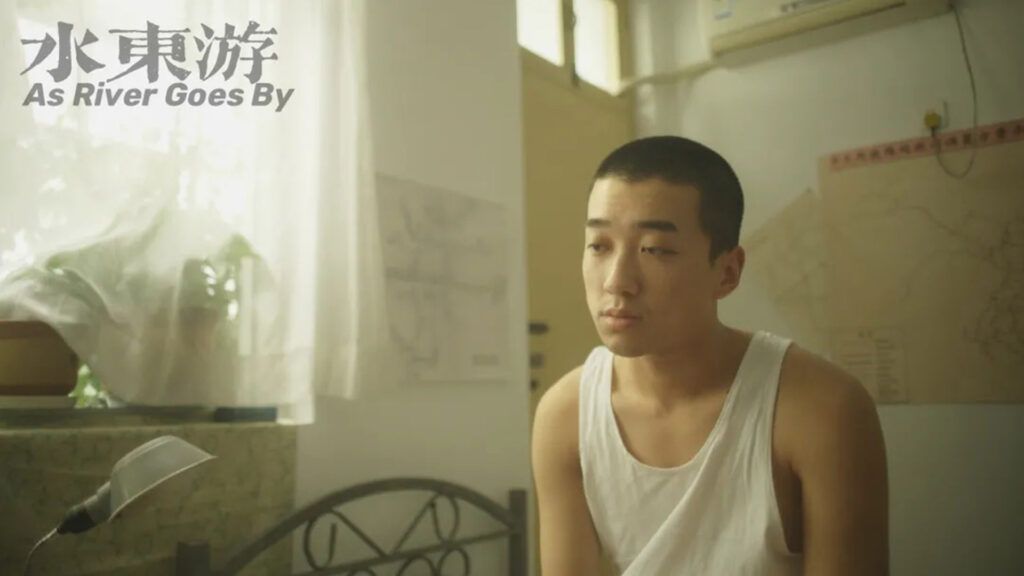
Much of this entire film benefited from the camera's compact size. One two-and-a-half-minute single-take shot required over twenty takes. I was operating the Steadicam myself—an amateur operator—and I managed to hold up throughout. I don't know how I would have fared with a heavier camera; I might have collapsed on set.
For the car interior scenes, behind the front passenger seat I needed to fit myself, the camera, a medium-sized fluid head, and a 60cm mini slider all at once. That would have been completely impossible with any other camera. The MAVO LF made it work.
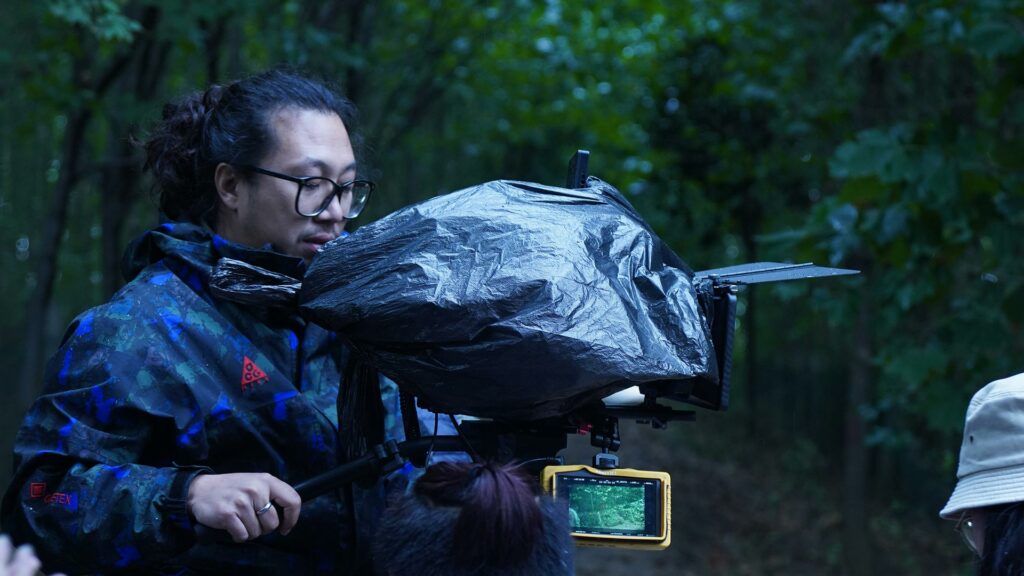
Throughout the entire shoot, we used two Kinefinity cameras: the MAVO LF for the main storyline and a MAVO S35 for the characters' flashback sequences. Both cameras endured violent vibration inside the vehicle, rain machine sequences, and condensation from day-to-night temperature swings—and both performed flawlessly! Beyond the unique texture our ISO choice brought to the film, the high-ISO capability also saved us a significant portion of our lighting budget.
Using Kinefinity cameras for this shoot was genuinely incredible—an absolutely joyful experience!