A Conversation with FIRST Young Filmmakers: Behind the Scenes of "Iron Third"
"When I finished testing the camera, I was incredibly excited. The director sitting next to me asked, 'What are you excited about?' I said: 'Edge has unlocked almost every direction on the tech tree—I can freely choose whatever skill points I want.'"
DP Chen Maocui, FIRST Training Camp's "Iron Third"
On the very first day of filming, the "Iron Third" crew faced challenges.
An actor suddenly struck by heat exhaustion. High-altitude weather that shifted without warning. Young filmmakers working together for the first time could never predict where the next unexpected obstacle would come from.
In this tense atmosphere, Chen Maocui also needed to master a brand-new camera—MAVO Edge 8K—just two days before shooting began, to help him complete three grueling days of intensive production.
"It actually took about half a day to get hands-on and run tests. Everyone felt very confident about the camera."
Chen Maocui, speaking to Kinefinity
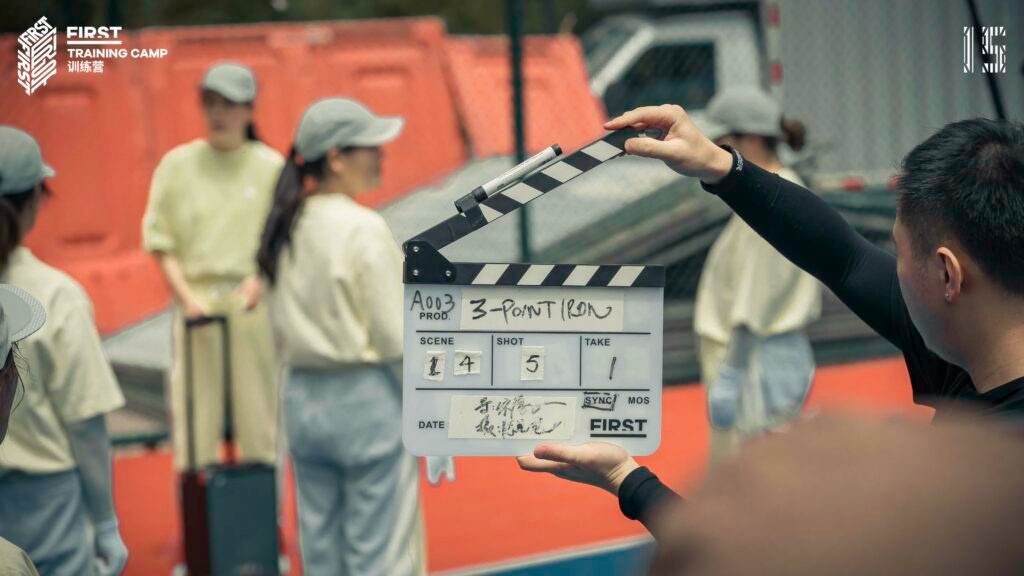
Community basketball court, "Iron Third" production
Zhuoyao When did you first see the script? Compared to the first draft, were there any changes to the final script or shooting style?
Chen Maocui I saw the script right when the team was formed in early July. On the surface it might look like a fairly genre-driven film with dramatic conflict, but after talking with the director in depth, I realized the main direction was still centered on expressing the characters' emotional states. Although the script went through several major revisions, because the core theme stayed the same, the shooting approach and style didn't change dramatically. After the director first sent me the script, we each intuitively recommended films to each other. What was particularly interesting was that the film he recommended to me became one of our primary visual references, while the film I recommended to him helped a great deal on the scriptwriting level. So in that exchange, we ended up understanding each other's creative thinking much more deeply.
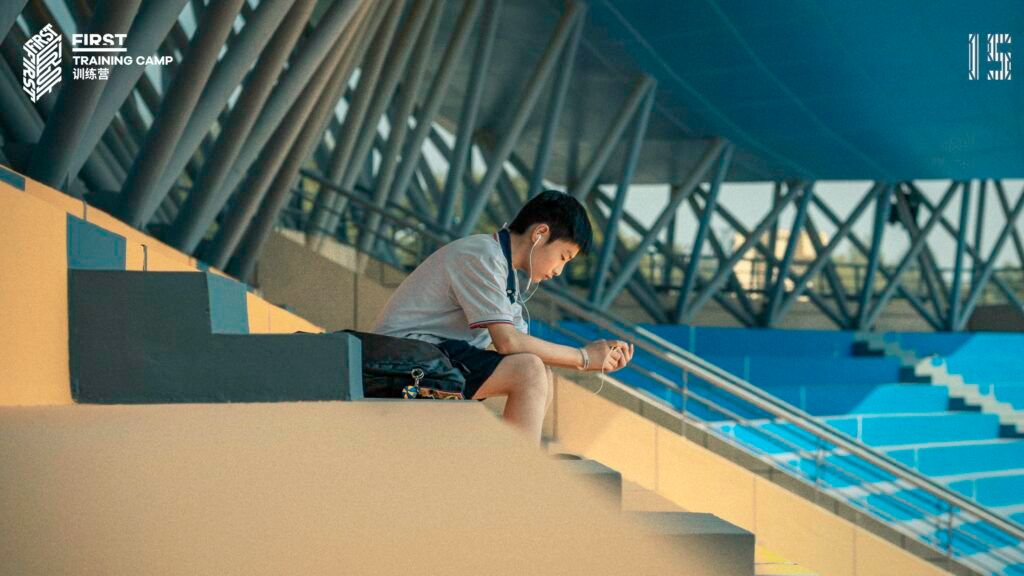
Actor Lü Zhaoyang during a break
Zhuoyao You only had a short window to get familiar with Edge before filming began, right?
Chen Maocui I remember we received the camera two days before shooting started, and we spent about half an afternoon running a comprehensive test. We shot test footage all afternoon and tried some urban density shots as well. When I got back I sat down at the computer, pulled up the footage and did some rough grades—I thought it was really good. The director also watched the test footage. Everyone felt very confident about this camera.
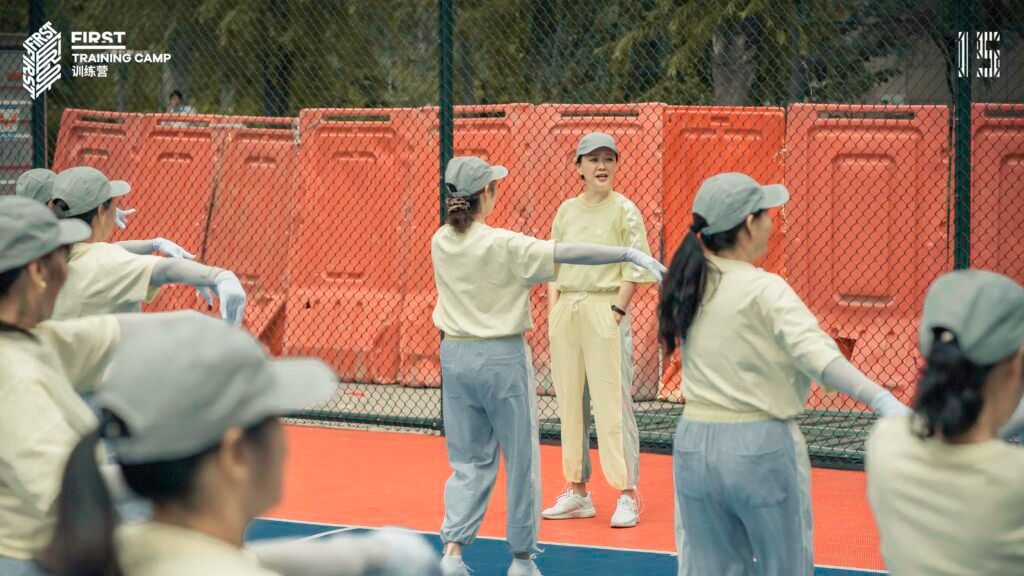
Community basketball court, "Iron Third" filming
Zhuoyao What were your initial thoughts on the shooting approach?
Chen Maocui From a visual perspective, I have a habit of capturing stills from films I like—wide shots, medium shots, close-ups—and compiling them into a reference set. So in early discussions, I sent the director some stills from "Beehive" (벌새). Looking at just the stills, he thought the visuals were nice. But when the director came to Beijing and we watched films together to develop our references, we found that "Beehive" didn't quite match his vision for "Iron Third." We then discovered "We the Animals" (2018, 34th Sundance Film Festival narrative feature), which the director immediately loved.
When establishing the film's tone, the director specifically emphasized that this shoot must not be shot in a 'formal' manner. By 'formal,' he meant shots that are always perfectly composed, with static setups dominating, camera moves executed mechanically from A to B, and the overall image prioritizing aesthetics and formal composition as the foundation for storytelling. In contrast, the director and DP of "We the Animals" came from documentary backgrounds, shooting children and primarily focusing on their emotional states—so the entire film has a very fluid, relaxed visual style.
"Iron Third" is both a story about children and involves basketball—it has a very dynamic energy. So we ultimately decided to use shoulder-mount and handheld with noticeable capture marks to film the children, while also incorporating the more 'formal' cityscape buildings to express the film's central theme of the collision between the individual and the collective.
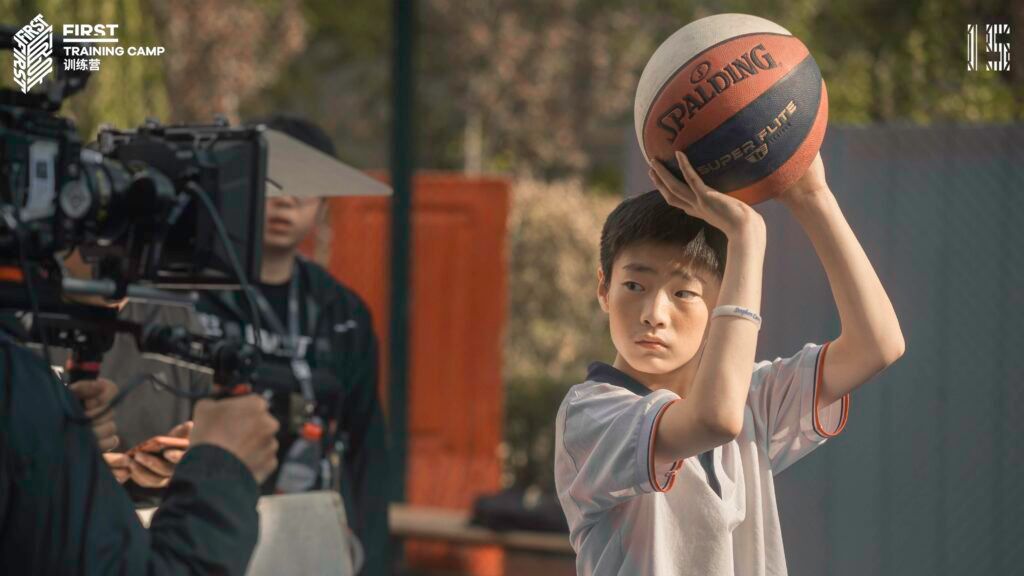
"Iron Third" actor Lü Zhaoyang
Zhuoyao I understand that "Iron Third" was shot almost entirely shoulder-mount and handheld, and you were operating the camera yourself throughout. How was that experience?
Chen Maocui My experience was very good—perhaps because of the camera's integrated body design, which is also relatively lightweight. Of course, it might also be because the rig and lenses were both quite light.
Earlier this year, when I was shooting a short film in Foshan—also shoulder-mount and handheld—I was using a certain competitor's mini camera. By the second day, my lead assistant had specifically run a cable to hang the battery plate and wireless transmitter off the assistant's body as external accessories. Even so, by the third day I was ready to collapse from exhaustion. This time around, I honestly don't know why everything felt unusually light and manageable.
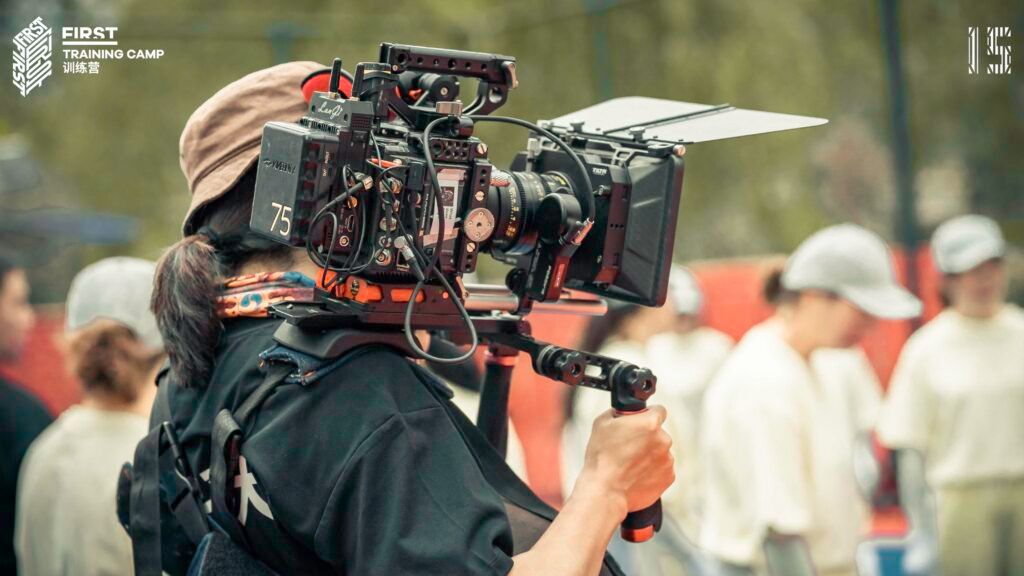
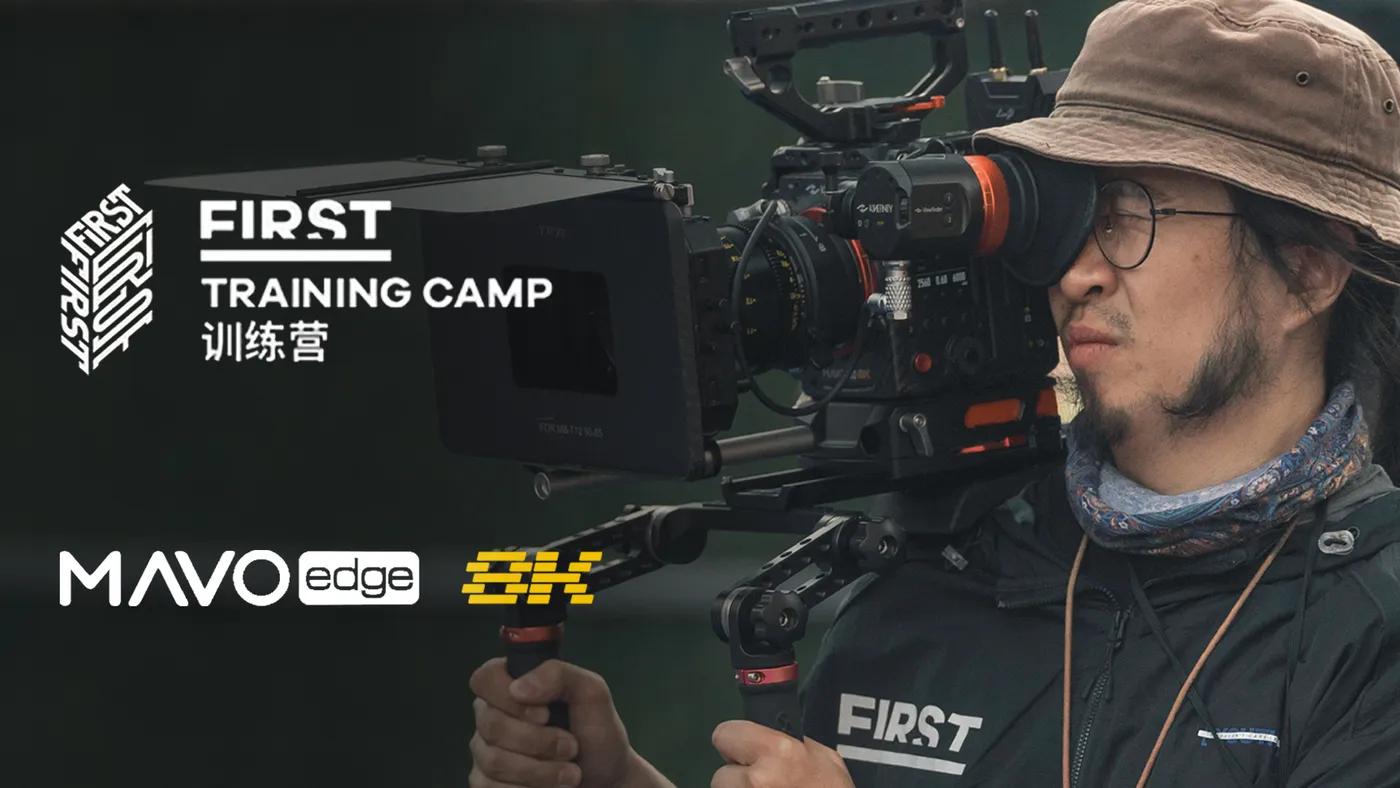
DP Chen Maocui with the MAVO Edge 8K
Zhuoyao What was the specific shoulder-mount setup? What rig and lenses did you use?
Chen Maocui The lenses were Dongzheng Optics Vespid Prime primes. Everything else was basically Edge's standard configuration: top plate, top handle, UPS base module, and the color-accurate KineEVF viewfinder.
Zhuoyao So did the relatively light handheld and shoulder-mount experience help with the shooting—for example, allowing for more varied camera movement?
Chen Maocui There was one particularly long shot during the shoot. The blocking we designed had the young actor charging into the basketball court, finding the square-dancing auntie he was up against, with the auntie fleeing and the young actor chasing—their movement path was shaped a bit like a nautilus shell. Starting from a medium shot on the actor's back, I transitioned to a two-shot from the side, then followed their circular movement with a continuous lateral track, eventually closing in to a medium close-up on the young actor.
Our final scene was being shot against the clock in high-density light conditions, after a full day of handheld shooting, running all around the basketball court. I think we did seven or eight takes on that long shot. It was exhausting, but we genuinely got great results.
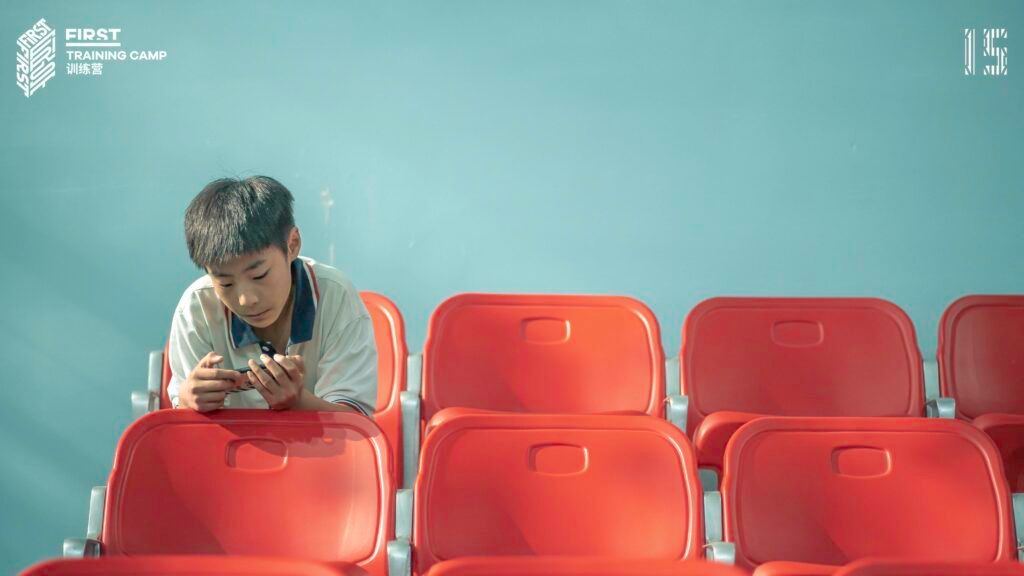
Actor Lü Zhaoyang during a break
Zhuoyao So you were happy with the final images because you were able to get that many takes, right?
Chen Maocui Yes—because once the blocking and all the design elements are set, once you're on set it's about executing the plan, aside from improvisation and sudden inspiration. The director will definitely want to refine the performance take after take, and on the cinematography side, facing complex blocking like this, I also need the first take or two to sync up with all the departments, plus some tolerance for error. Because Edge is so lightweight, when time allowed we could go for more takes—leaving a lot of room for both the image and the performance, and preventing any image quality degradation from the operator's fatigue.
I also want to thank my entire camera team for being incredible on set—basically making sure the camera spent as little time on my shoulder as possible. When we were shooting daytime exteriors, the lighting team's guys also voluntarily came over to help the camera team, so this production ultimately benefited enormously from everyone's collective support.
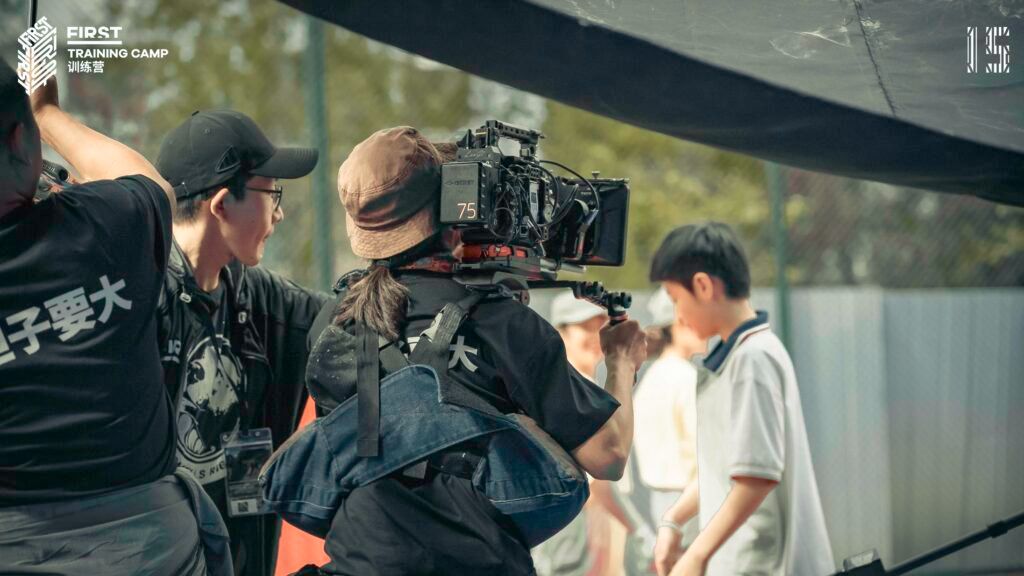
Community basketball court, "Iron Third" filming
Zhuoyao Most of this shoot was daytime work. What was your experience with Edge's built-in ND?
Chen Maocui Having built-in ND is genuinely a very convenient thing. And you've also added an extra stop—there's a 2.4-stop position, whereas most cameras only go to 2.1. That additional stop is actually very helpful for someone who shoots the way I do. Sometimes I feel like that's exactly the small gap I need. On this shoot, I often pushed to 2.4—because it was all handheld in motion, my aperture was usually around f/4, so it was just right. Very well-suited to this shoot.
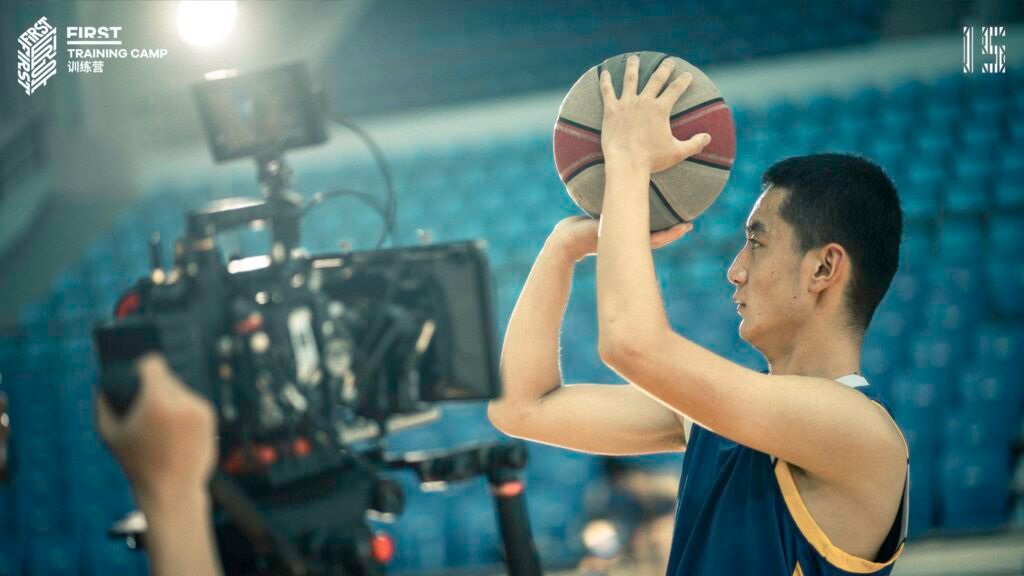
Indoor basketball court, "Iron Third" filming
Zhuoyao How were you setting the Edge's ISO during the shoot, and what was your overall experience?
Chen Maocui In most situations I wanted to preserve highlight detail, so when shooting daytime scenes, I generally set the EI quite high. In post color grading, I did find that the highlights retained a great deal of detail. At the same time, because we wanted to give the whole film more of a film-like quality, the mild noise floating in the image was something I actually liked. When pulling the grade, we wanted to push the shadows a bit darker and lift the highlights slightly, increasing the overall contrast. The grade never 'broke'—even when pushed to very specific visual territory the image remained comfortable, and the color transitions were very natural.
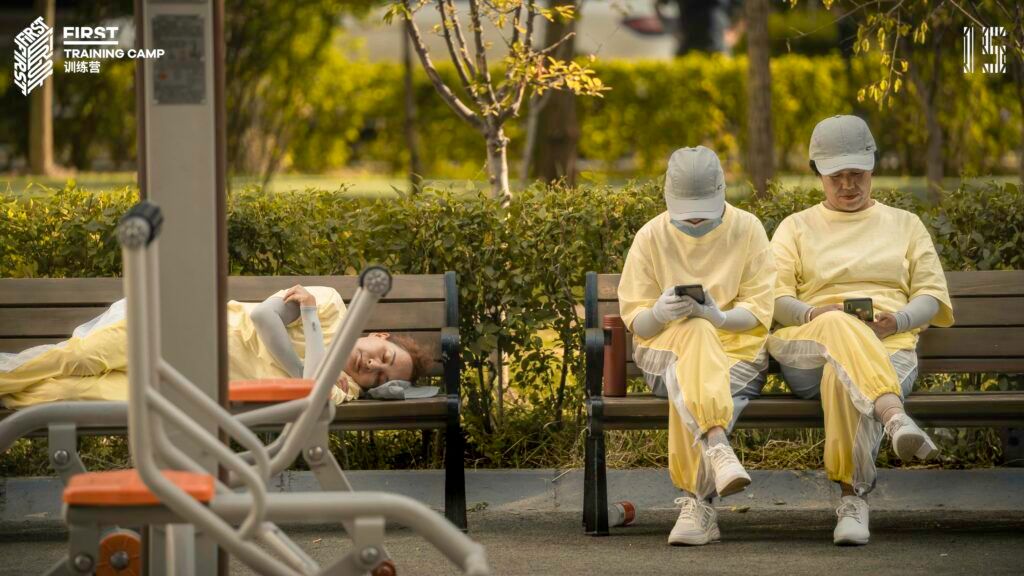
Actor Yu Hui during a break
Zhuoyao The shooting spec was 8K oversampled to 4K, and you mentioned the color science is really good. How did the final film turn out? What feedback did the colorist give you?
Chen Maocui Excellent—I'm really pleased with it. Only two shots required slightly more effort in the grade. The main reason is that our young actor suffered heat exhaustion on the first day of shooting—by the time he had rested and recovered, it was already around 5 or 6pm, with the sun already down, leaving only ambient density light and scattered direct sunlight in the background. The preceding scene had been a high-sunlight scene, so when we went to shoot this continuation I was very worried about whether the cooler color temperature could be matched back to the earlier footage. After wrapping, the moment I got back to the hotel I pulled up the footage on my laptop for a rough grade, and found we could completely restore the sunlit feeling. We all breathed a sigh of relief—that meant we wouldn't need to spend time on reshoot pickups on day three.
My colorist was Liu Jingjing from Paihua. She really liked the style of our film. The majority of our shoot was daytime—speaking just to the daytime footage, I think the color accuracy and post-production plasticity were genuinely excellent. I didn't get a chance on this project to test Edge in night scenes, but I've seen other teams' footage and the night scene performance also looks impressive.
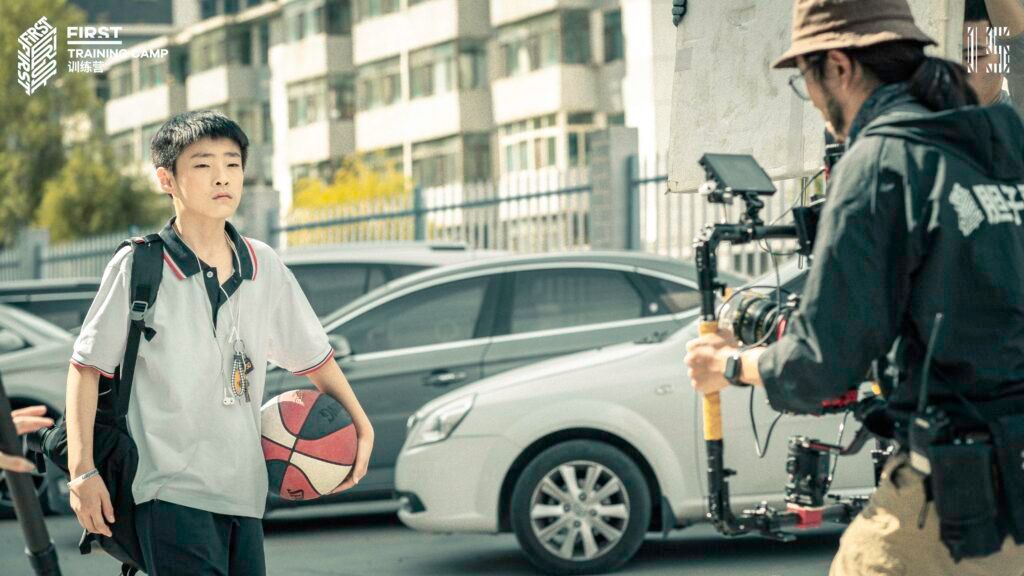
"Iron Third" actor Lü Zhaoyang with DP Chen Maocui
The MAVO Edge 8K—as the weapon wielded by young filmmakers pushing their creative limits—brought professional cinematic imagery to the training camp productions through its lightweight and durable fully integrated body and true-to-life, pleasing color.
Kinefinity and KineRental Shanghai support the FIRST Training Camp, joining young filmmakers on the path of cinema production.
View our previous posts supporting the FIRST Training Camp to learn more about the camp productions:Supporting the FIRST Training Camp, Backing Young Filmmakers.