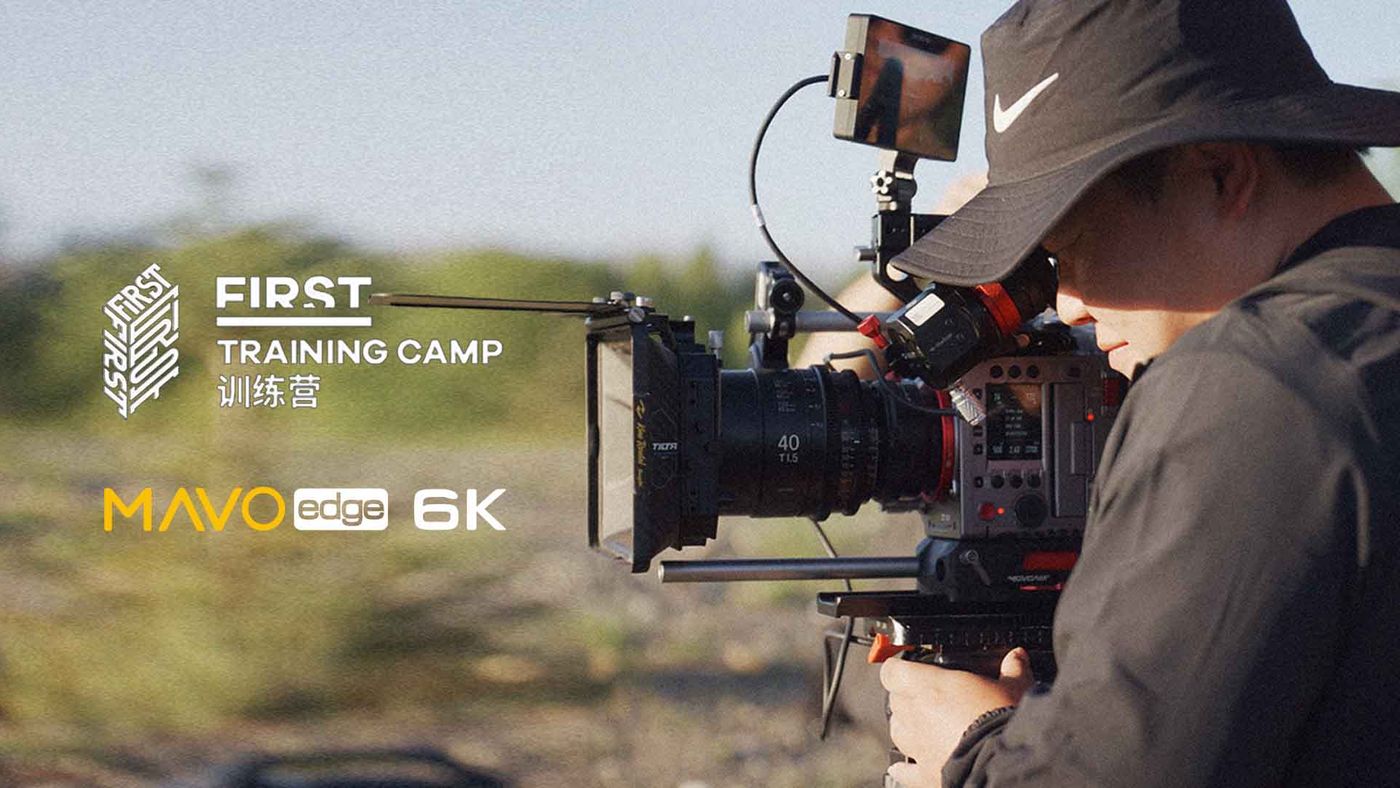
2022 · 16th FIRST Training Camp: Interview for "I Still Know You, Eleven"
"What was particularly remarkable was that when I finally watched those night scenes in the cinema—the ones shot at ISO 5120—there was virtually no noise, incredibly clean.Edge 6K's level of excellence genuinely surprised me."
DP Guo Haoran, 16th FIRST Training Camp
Five hours of travel. 250 kilometers round trip.
Among the first groups to begin shooting at the FIRST Training Camp, the "I Still Know You, Eleven" crew traveled the farthest—and ultimately captured the unique green serenity found at the meeting point of the Qinghai-Tibet Plateau and the Loess Plateau.
Yet from the moment DP Guo Haoran first read the script, he expressed concern to the director about shootingpure night scenes in the wild.
"With a crew this small, based on my existing shooting experience, this would basically be impossible."
Would theMAVO Edge 6Khelp Guo Haoran successfully complete three grueling days of intensive shooting?
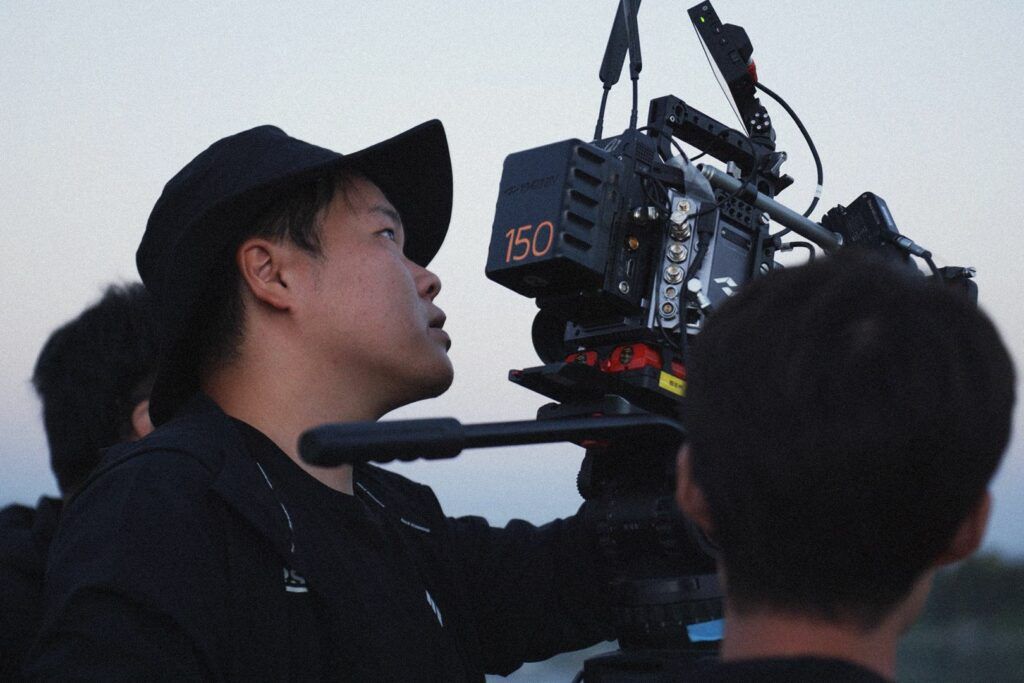
DP Guo Haoran filming with the MAVO Edge 6K
Guo Haoran is a young cinematographer who graduated from the Department of Photography at Communication University of China. His feature film "Prisma" won Best Cinematography at the 14th "Midsummer Memories" International College Student Film Exhibition; his short film "Southern Afternoon" received an Honorary Recommendation for Best Short at the 16th FIRST Youth Film Festival. In early 2020, during the Wuhan lockdown, he shot the documentary "Chinese Doctors: The Fight Against COVID-19"; he has also accumulated experience across hundreds of commercial projects spanning fashion, humanities, music, and celebrity content. After the 2022 16th FIRST Training Camp concluded, we specially invitedDP Guo Haoranto share the behind-the-scenes story of the "Eleven" production.

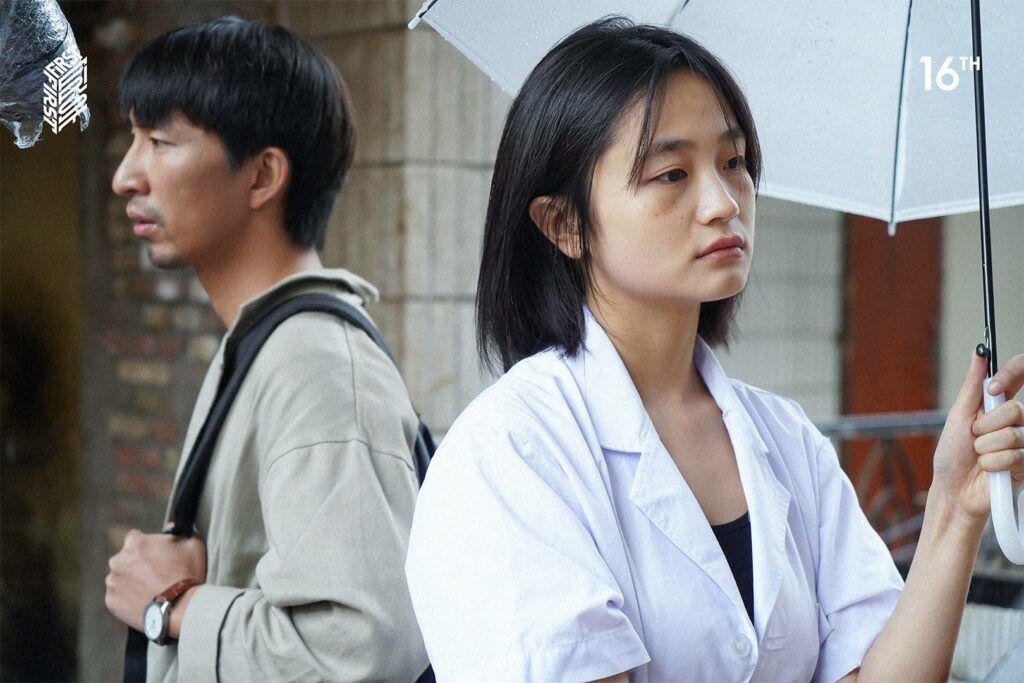
Actors Xue Xuchun and Zhang Simin
Zhuoyao After reading the script, what were your ideas for the shoot?
Guo Haoran I think with extreme filmmaking like the FIRST Training Camp—especially for a team like ours with so many exterior locations—it's actually not easy to control your shooting ideas in advance.You have to go with the natural environment rather than being able to design everything ahead of time.During the days we went scouting for "Eleven," Xining happened to be raining—the landscape looked like a primeval forest in Yunnan, incredibly magical. But by the time we actually shot, it might turn into blazing sunshine, which is a completely different look and feel. This requires experience—the ability to quickly read the current environment and adapt.
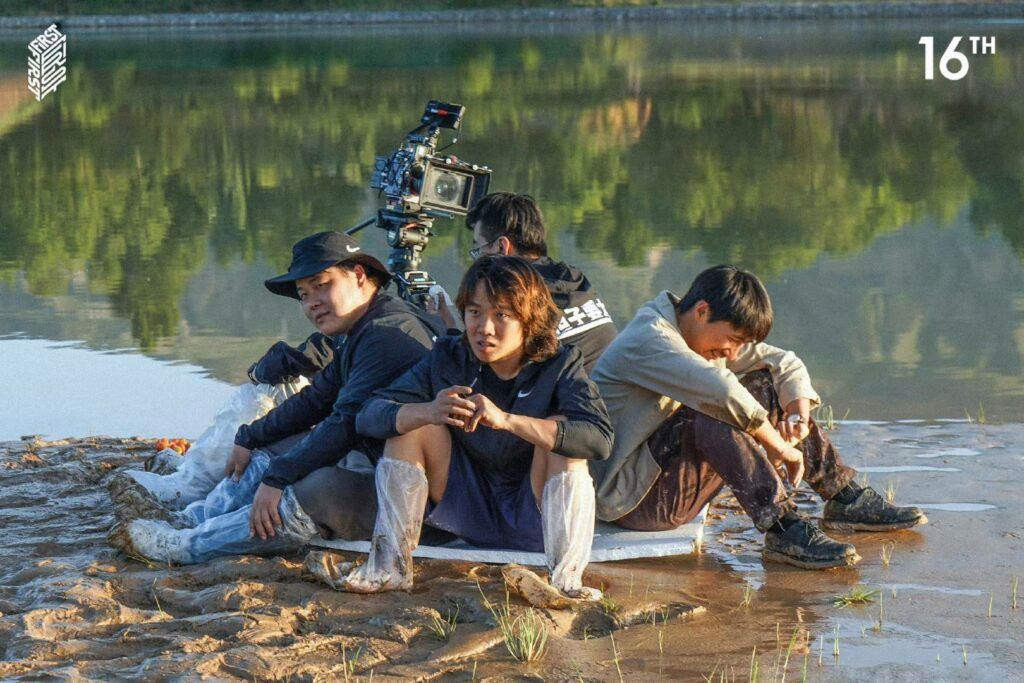
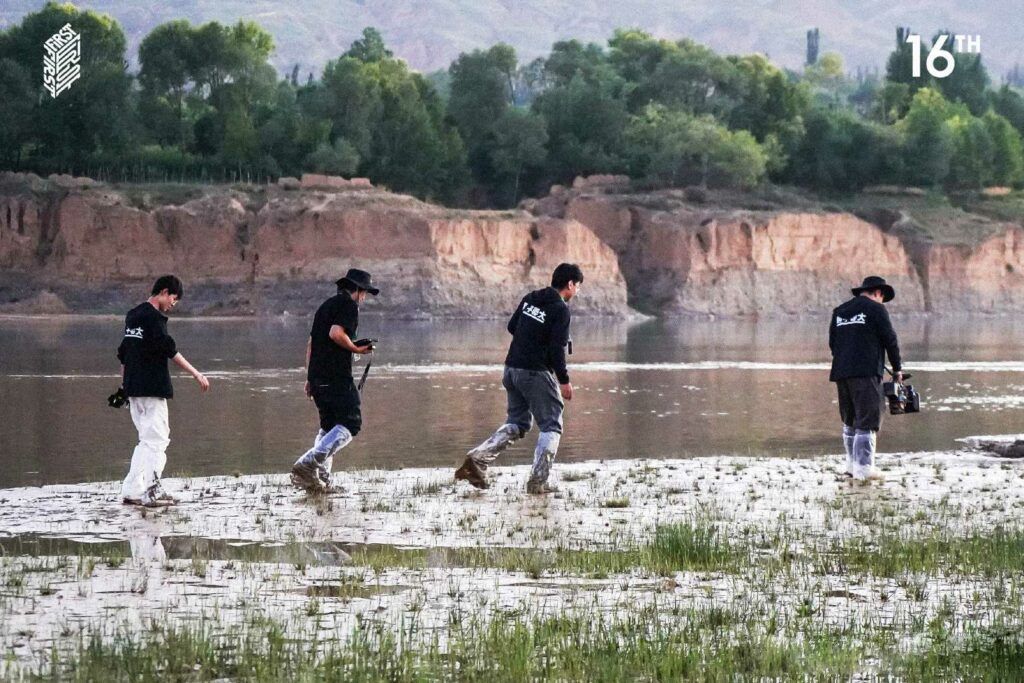
Production break while filming by the upper Yellow River
Zhuoyao What shooting methods did you primarily use? Were there any special requirements for lighting or color?
Guo Haoran The primary shooting method for this film was static shots—mostly on a tripod. Toward the end of the film there's a slightly more emotionally charged sequence that I shot handheld.
Finding specific angles and locations within the natural environment as much as possible—that's probably what differentiates this film most from other short films."Eleven" has more exterior locations than most—more variety in the landscape, sometimes sunny, sometimes overcast. Throughout the shoot I basically used no artificial lighting at all—just a single diffusion cloth, or maybe bouncing a silver reflector to subtly supplement the light.
When I'm shooting more narrative-driven material, I feel I need to deliver somethingvisually impactful. Many of the forest scenes have no yellow at all—they're entirely cool greens. So during the daytime I would set the color temperature down to 3200 or even 2700 to shoot.
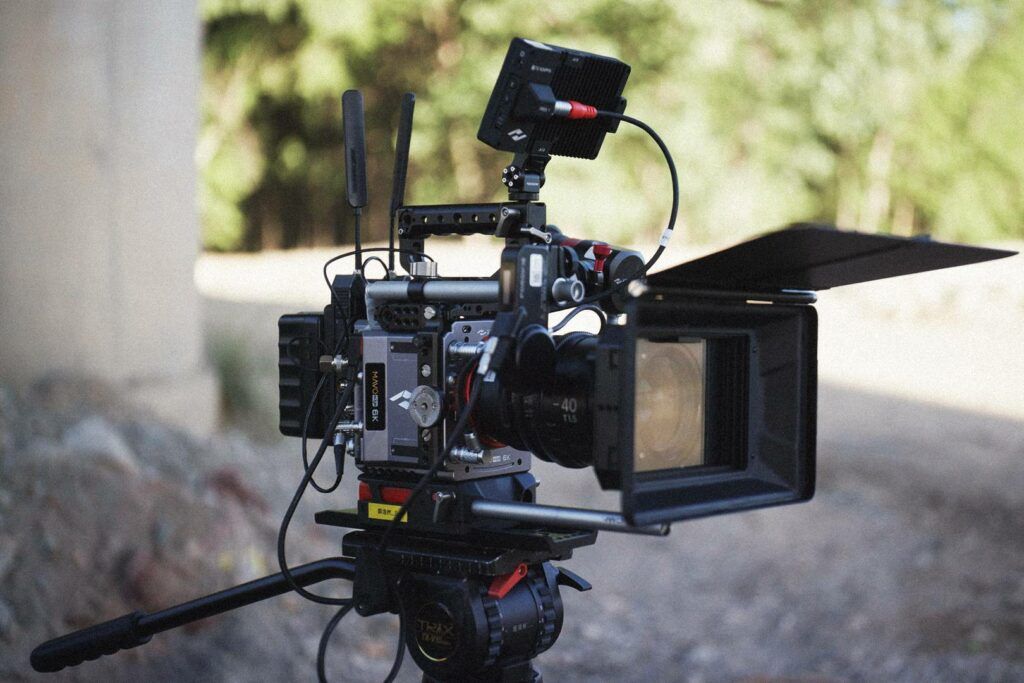
MAVO Edge 6K alongside other camera equipment

Zhuoyao What was your experience shooting "Eleven" with the Edge 6K?
Guo Haoran Beyond the comfortable weight of the Edge 6K, I also found that its built-in ND adjustment is more precise than other cameras, allowing more accurate exposure control. Other cameras I typically use for exteriors usually only offer ND stops at fixed positions like 0.6 or 1.2—you can't conveniently and precisely set the aperture to a specific value. You often end up having to compensate somehow.The Edge 6K's finer ND adjustments helped me control exposure standards across each scene with greater precision.
Another thing I genuinely liked was the Kinefinity factory-supplied EVF. For shoulder-mount shooting, having an EVF is extremely convenient. I place a lot of importance on the EVF viewing experience, and this viewfinder's color reproduction is excellent.
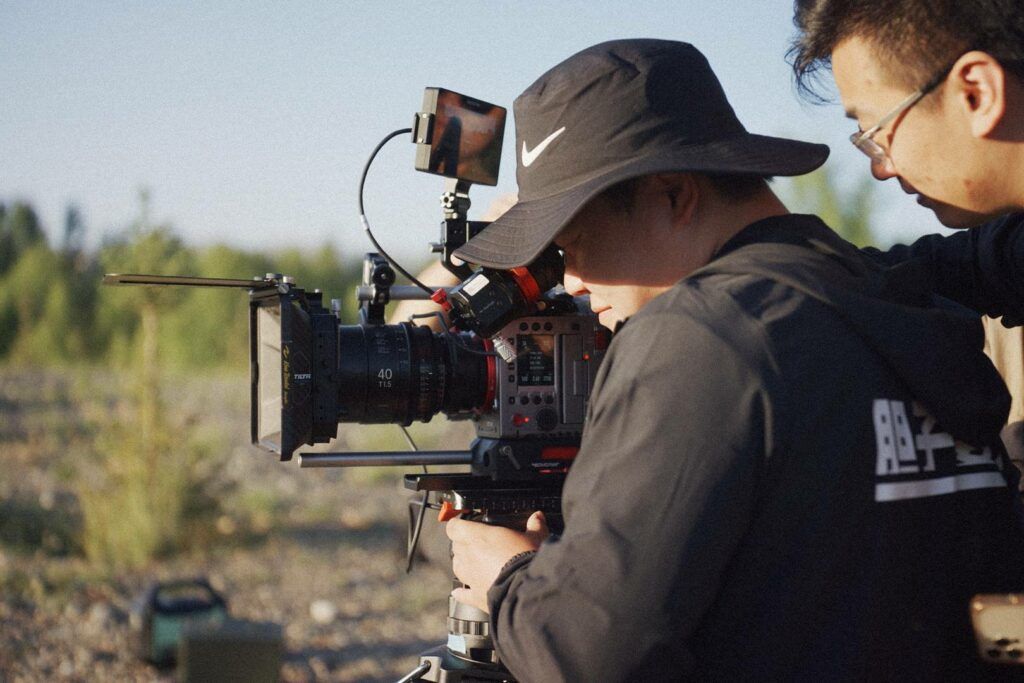
Guo Haoran with MAVO Edge 6K and KineEVF
Zhuoyao Speaking of exposure—you also specifically used the MAVO Edge 6K's dual native ISO on this shoot, right?
Guo Haoran Yes—I think if the Edge 6K didn't have dual native ISO, some shots would have been impossible to get. In that scene by the Yellow River, I pushed the exposure to ISO 5120.I think in situations of very low ambient density, or when density is just fading and dark is about to fall, the Edge 6K can help me push to the absolute limits of natural-light shooting.You can say dual native ISO helped me enormously.
There was also a design element I found particularly innovative: the highlight headroom adjustment.The Edge 6K (in ISO mode) lets you directly adjust the dynamic range distribution—allowing you to retain a lot of shadow detail even in a low-key exposure.
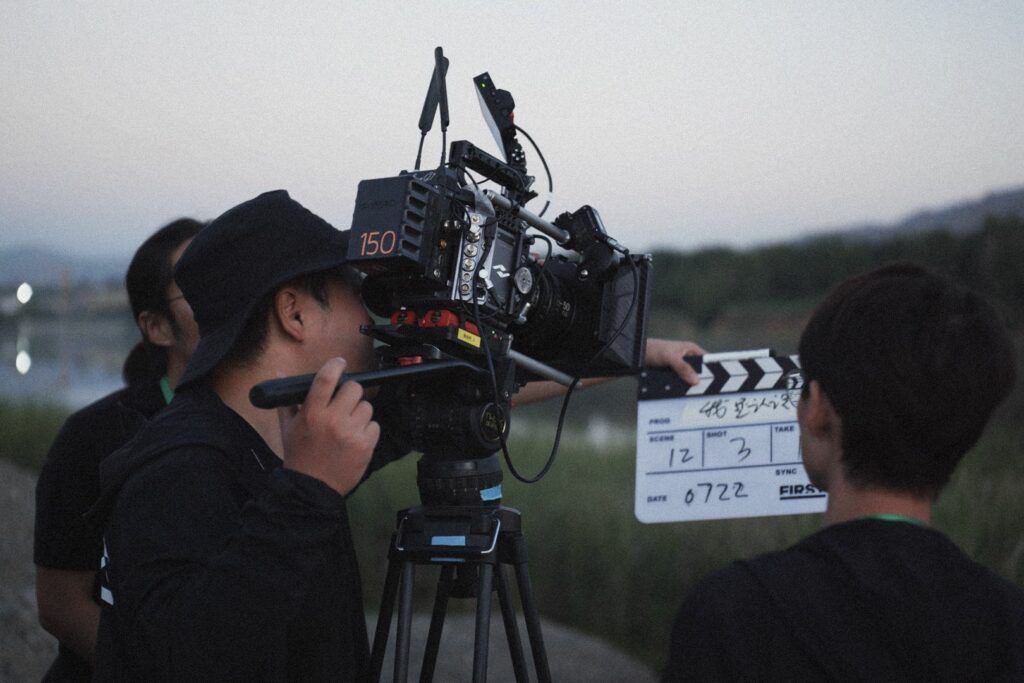
DP Guo Haoran filming with MAVO Edge 6K
Guo Haoran Actually, I feel the Yellow River scene wasn't even the most extreme push. There's another scene in this film—a pure night exterior in the forest—where I also used ISO 5120, the second dual native setting.Based on my previous shooting experience, a night scene should be a very complex undertaking—I might need a generator, I might need many large lights rigged overhead to create depth and dimension in the night scene.From the very first time I read the script, I kept discussing with the director: if we're doing pure night shooting, based on my existing experience, I think this would basically be impossible. With a crew this small going into the wild for a night scene—that would have driven me crazy.
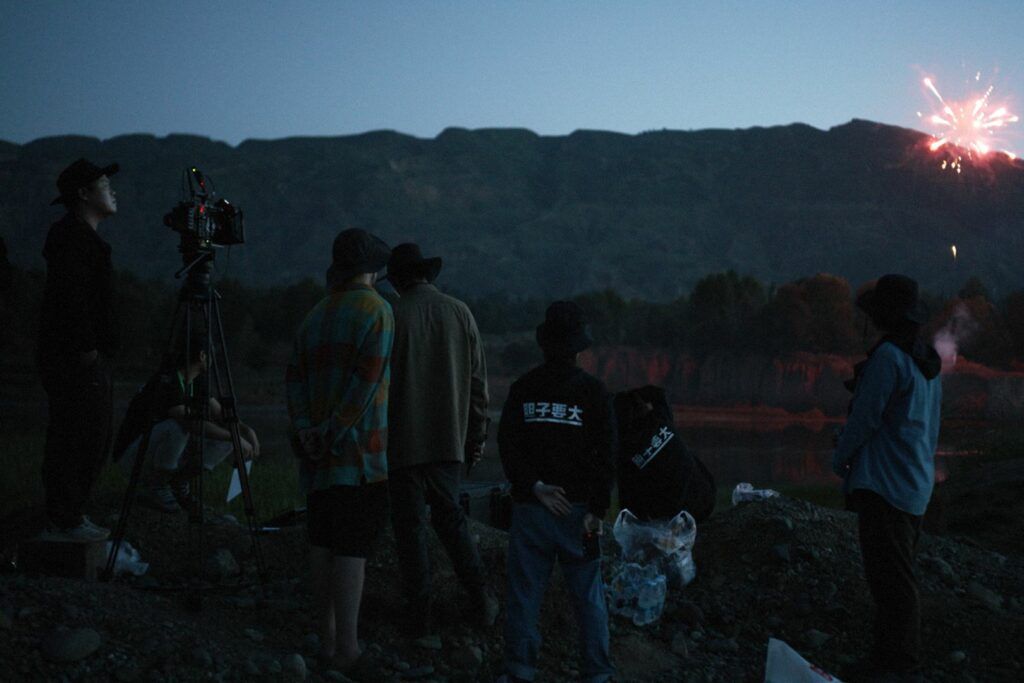
Dusk, the wild, fireworks
Guo Haoran What was remarkable was that the entire night scene was solved with just a single 300W LED light—it was that second-setting ISO 5120 that helped me massively reduce my lighting requirements.I didn't even need to shoot at maximum aperture—f/2.8 was more than sufficient. That really was something.The Edge 6K genuinely solves the key problems. Scenes that used to require enormous manpower and resources can now be accomplished with a very simple setup—small crews can pull it off too.That made a strong impression on me.
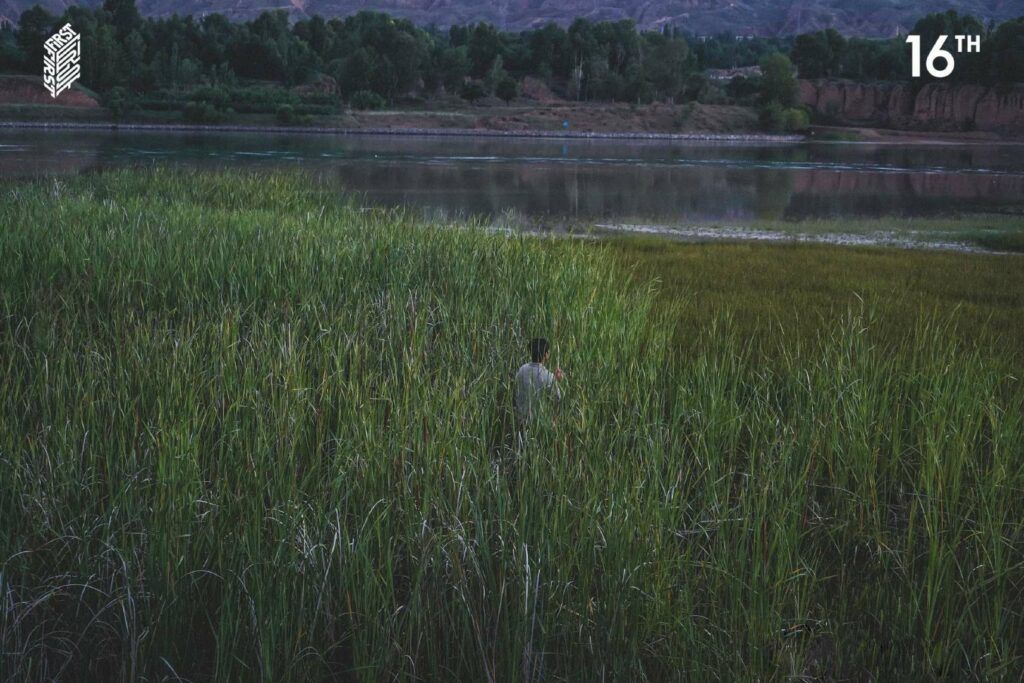
"I Still Know You, Eleven" film still
Guo Haoran What was particularly remarkable was that when I finally watched those pure night scenes in the cinema—the exact images shot at ISO 5120—there was virtually no noise. Incredibly clean.The level of excellence genuinely surprised me. I've used two other brands' cameras that also marketed dual native ISO, and I felt their images weren't this clean.

Guo Haoran shooting handheld with MAVO Edge 6K
Zhuoyao Can you briefly tell us about the creative concept behind "Eleven"?
Guo Haoran For "Eleven," the pre-production cinematography work was probably quite different from most short film projects—or you could say, from most films in general. "Eleven"'s script is a very auteur-driven work, and the director's style is that of an auteur filmmaker. He's not like most film directors who want to clearly tell the story, to explain how things happened.What he gave me was more of a feeling—mystery, or perhaps psychedelia, or depth. More of that sense leading me, driving the creative work on this film.
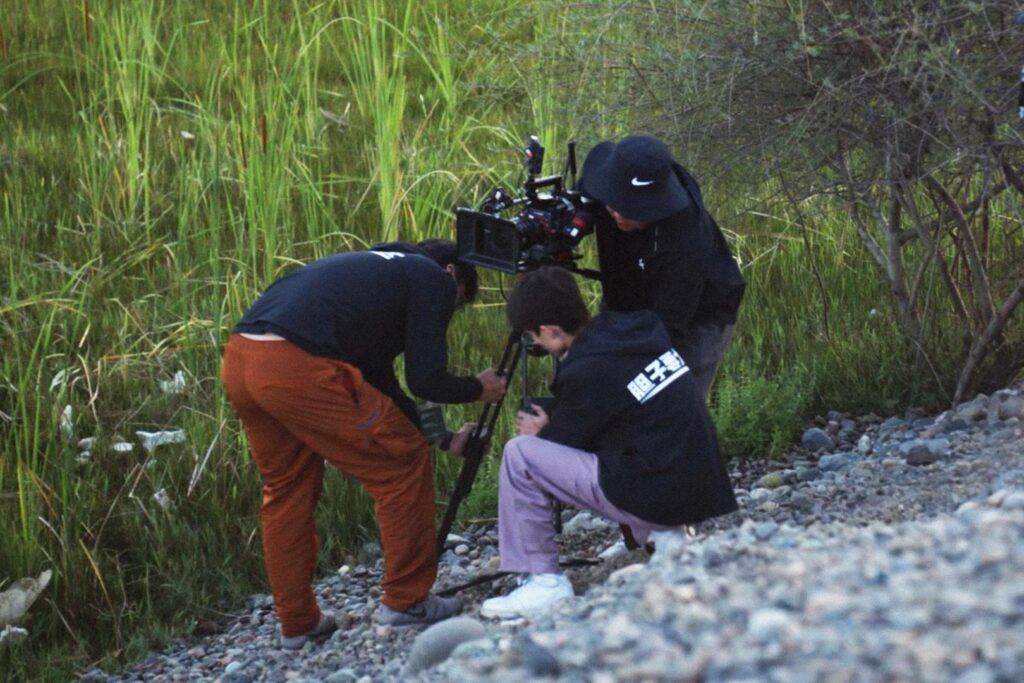
"I Still Know You, Eleven" production BTS
Zhuoyao Looking back on the entire shooting process, is there any particular scene that left the deepest impression?
Guo Haoran Probably what I recall most vividly was shooting close-ups by the Yellow River under those low-light density conditions.It had been a long time since I'd just picked up a camera myself and gone out alone like that.Because I usually work with cameras from a certain major brand, I typically have a first assistant, second assistant, focus puller, and various other support. The Edge 6K's weight is very friendly for a training camp-type configuration where crew is limited—or for solo shooting—regardless of whether you have a focus puller or assistant to help. It strikes a good balance between team production and solo operation.
"The Edge 6K genuinely solves the key problems. Scenes that used to require enormous manpower and resources can now be accomplished with a very simple setup—small crews can pull it off too. That made a strong impression on me."
Seizing the right moment, completing what matters. Kinefinity joins young filmmakers in using the MAVO Edge 6K to capture the unpredictable landscape of the plateau, exploring the possibilities of creative filmmaking.
Thank you to DP Guo Haoran for his answers! That concludes this interview—we hope it has been helpful to friends interested in Kinefinity.