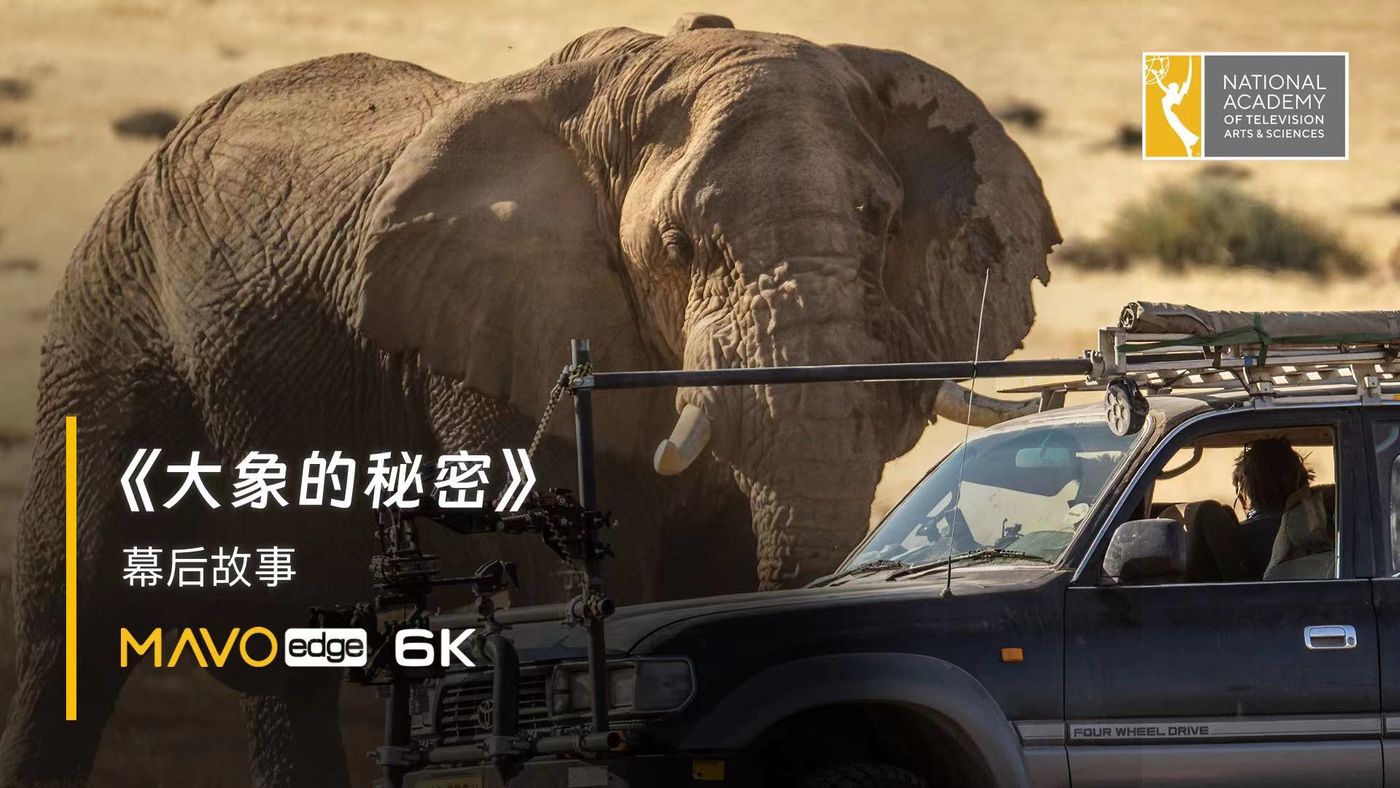
Interview with DP Toby Strong of "Secrets of the Elephants"
"The MAVO Edge 6K performed exceptionally well—even in extreme temperatures, sandstorms, and dust-filled conditions, there was absolutely no problem."
DP Toby Strong
Acclaimed documentary cinematographer Toby Strong receiveda 2023 75th Emmy Award nomination for Best Cinematographyfor "Secrets of the Elephants: Desert," shot primarily on the MAVO Edge 6K. We are honored to have invited DP Toby Strong to share the behind-the-scenes story of making this film, taking us into the mysterious and magnificent world of elephants.
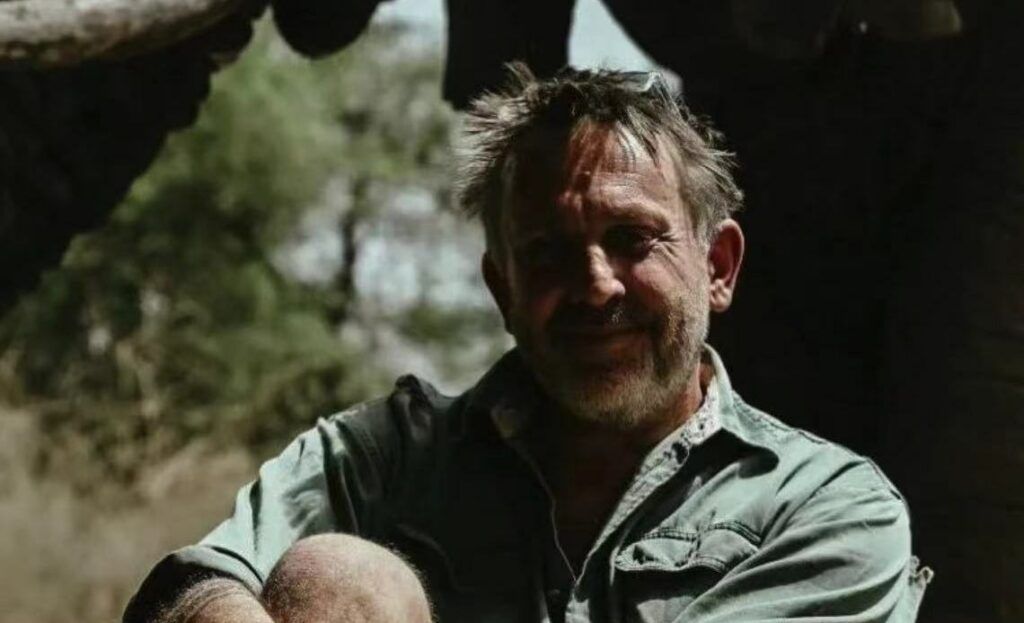
Toby Strong is a documentary cinematographer,multiple International Emmy Award and BAFTA Award winner, who has collaborated many times with BBC, National Geographic, Discovery, and Netflix, and has shot many of the BBC's milestone series. His major works include Human Planet, Planet Earth II, and Blue Planet II.

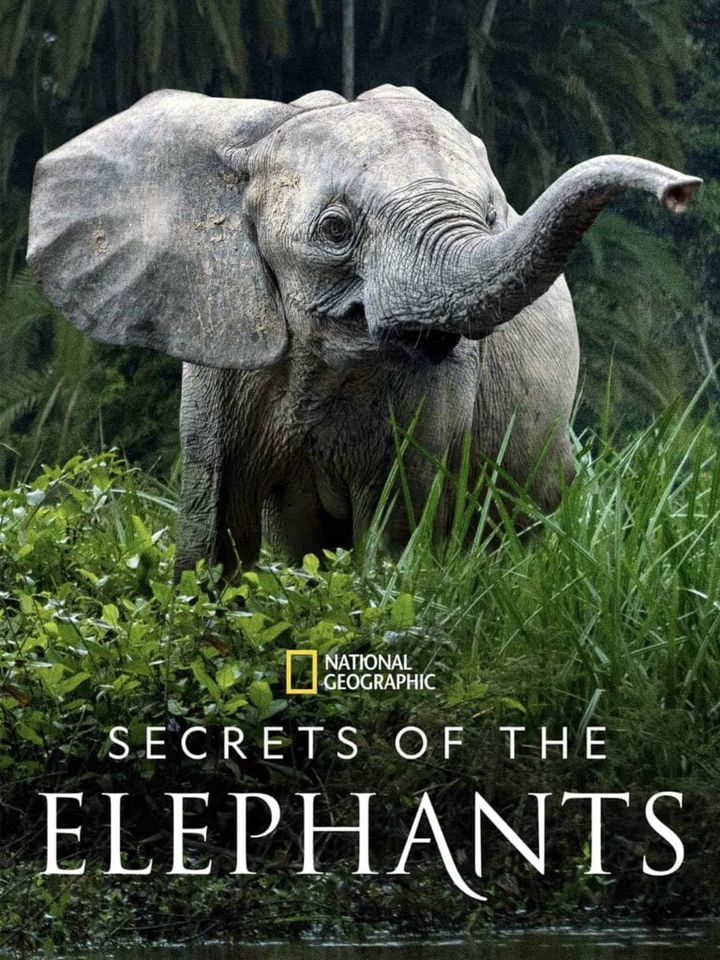
"Secrets of the Elephants" poster
ZhuoyaoWe know you have a deep connection with elephants and have filmed many elephant documentaries. Can you tell us about your experience on this project?
Strong Elephants are among the most incredible creatures on Earth, and I have a deep passion for them—a dedication to filming elephants that spans 25 years. Years of filming have allowed me to accumulate a tremendous amount of knowledge about elephants, and as a result I was invited to join the "Secrets of the Elephants" project from the very beginning and serve as a creative advisor for the series. During production, I worked together with three other directors to try to weave all the elements together and tell the stories of elephants from around the world in a creative way.
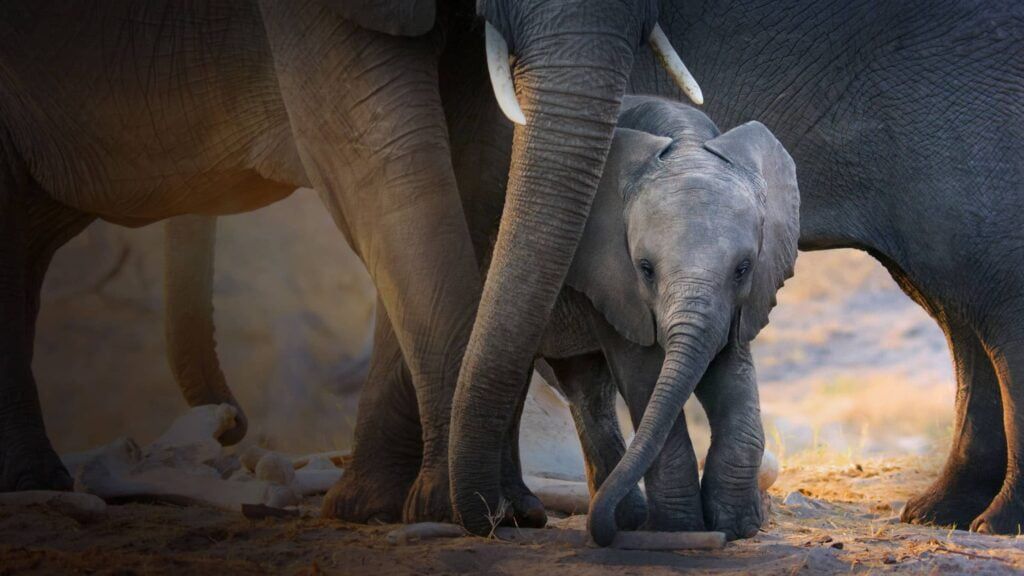
"Secrets of the Elephants" frame capture
Handling a project of this scale usually takes quite a long time, but we had to complete it in under a year—a tremendous challenge. The series has now launched on Disney+,receiving two Emmy nominations: one for Best Non-Fiction Documentary, and another—for the Desert episode that I shot with the MAVO Edge 6K—for Best Cinematography. We're very honored.
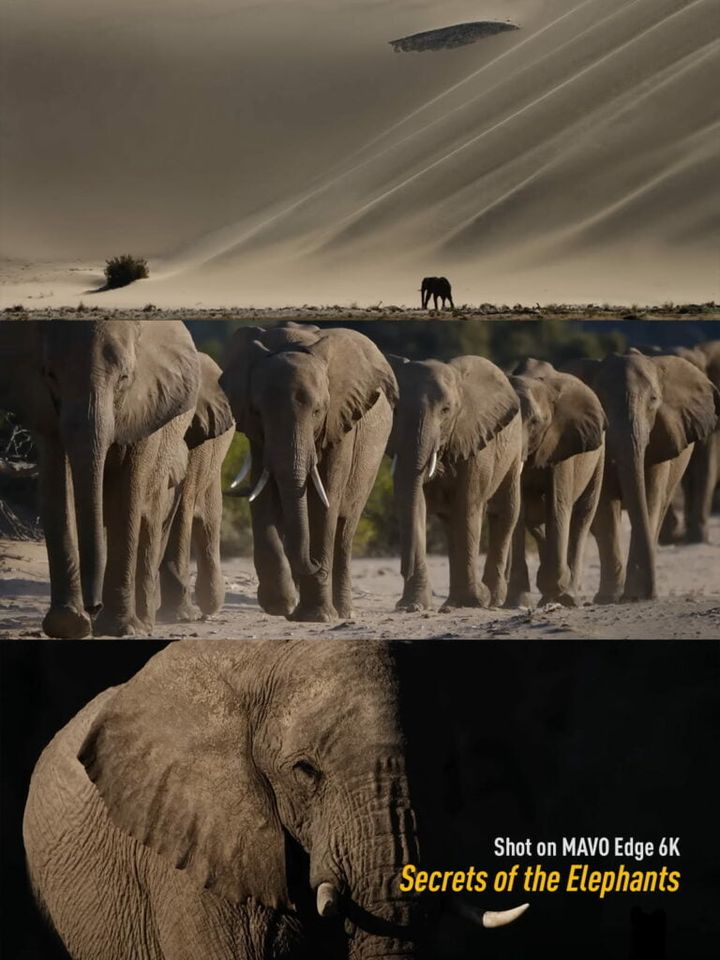
"Secrets of the Elephants" frame capture
Zhuoyao Can you share the connections between the different episodes and the design details—for example, how the Desert episode compared to the others in terms of concept and design?
Strong When developing this series, we decided to divide the global elephant story into four episodes: Savanna, Desert, Forest, and Asia. Each episode has its own distinct character and atmosphere. In the Asia episode, we focused heavily on people—exploring the deep interactions between elephants and humans. The Forest episode was very challenging: that environment has a darker, lower-contrast, underexposed tonal quality, making it quite difficult to find and film elephants. For the Savanna episode, we chose 20mm lenses to capture the vast expanses of space and the rich, saturated colors of the sky.
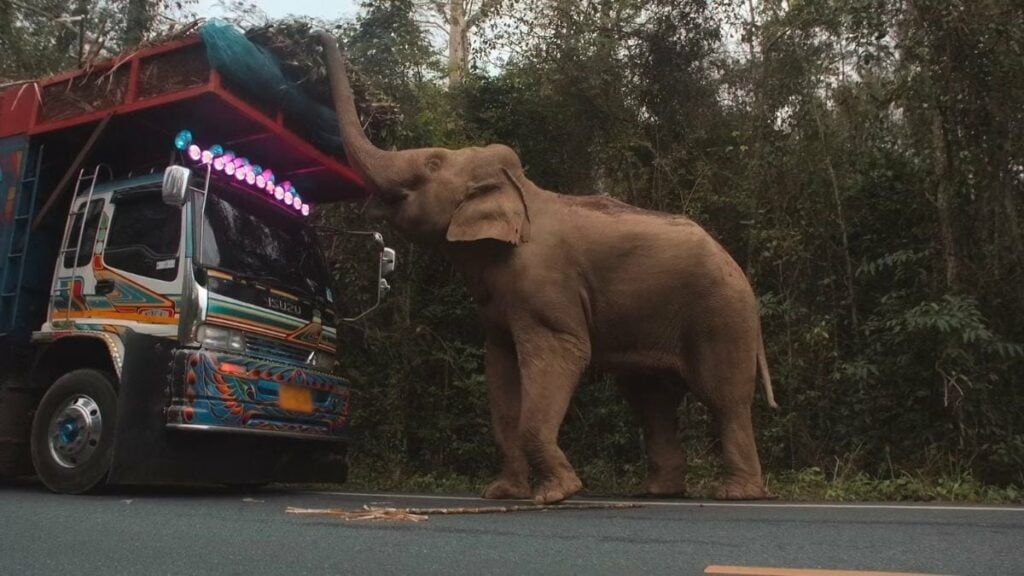
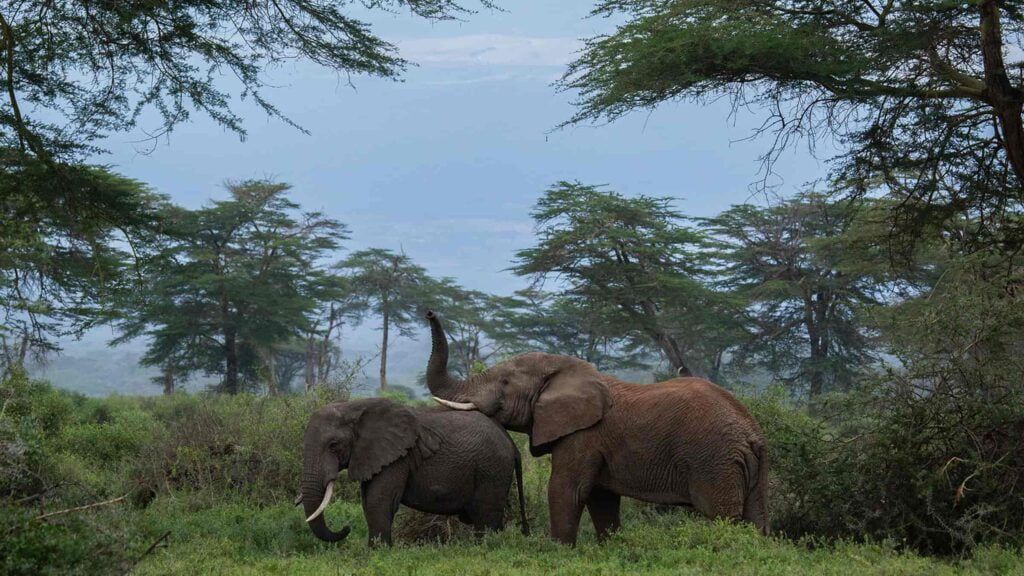
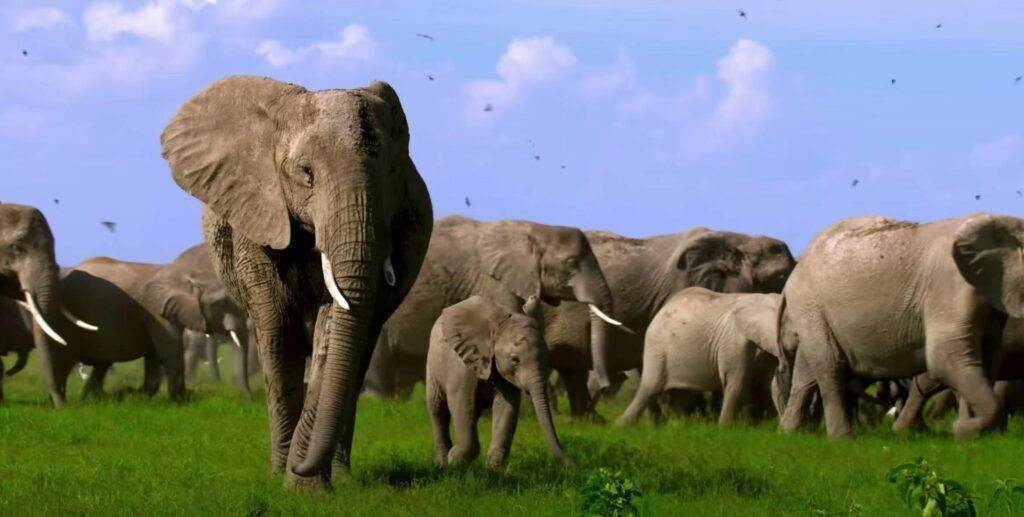
"Secrets of the Elephants" frame capture
As for the Desert episode, I invested a great deal of personal passion. I chose to pair the MAVO Edge 6K with a 14mm ultra-wide lens to capture the vast desert landscapes.Thanks to the MAVO Edge 6K's excellent high dynamic range, we were able to focus on the tiniest details—beetles in the sand, a subtly overexposed sky, even placing focus on an elephant's toenails.
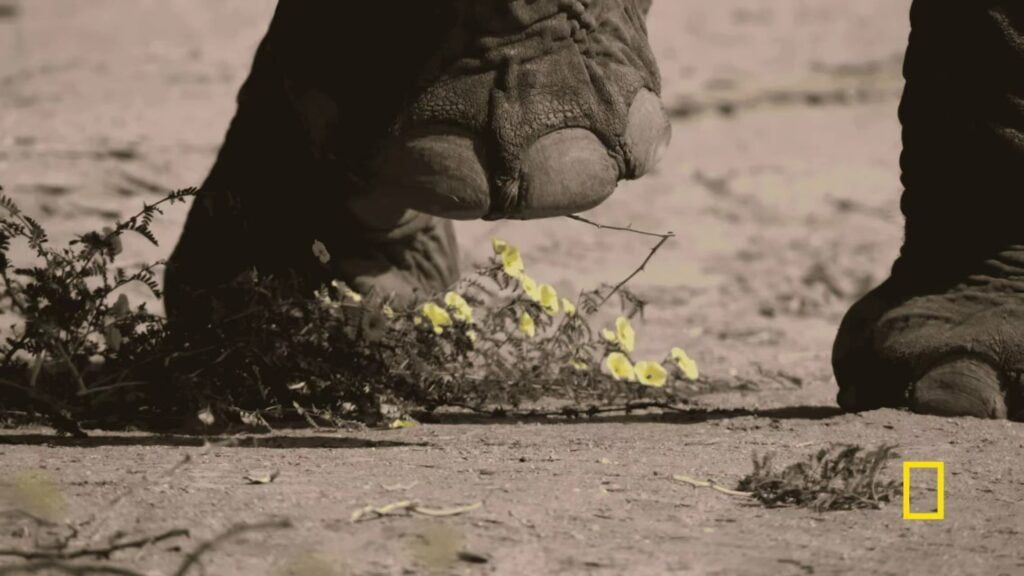
"Secrets of the Elephants" frame capture

Zhuoyao What cameras were chosen for the different "Secrets of the Elephants" episodes?
For the Desert episode that received the Emmy Best Cinematography nomination, we used the Kinefinity MAVO Edge 6K. Across the series as a whole, we used a variety of cameras including ARRI, RED, and Sony—and even a defocused thermal imaging camera for specific sequences. Our goal was to maintain a consistent style across episodes while satisfying the unique requirements and atmosphere of each individual story.
Zhuoyao Many of the visual designs in the Desert episode are very interesting—can you share your cinematographic thinking?
The challenge with a desert is that it can play tricks on you. In a normal environment we can see vertical landmarks—buildings, trees, roads—but in a desert these reference points are often absent, and perspective can create illusions. I wanted to make good use of these optical illusions. For example, using a LAOWA probe lens to capture a tiny crack in the desert sand, making it appear like a giant canyon—until an ant walks through. Or using one shot to suggest a vast desert, then revealing in the next shot that it was actually just a small sand dune. To achieve these perspective effects, I used a Canon 50-1000mm lens, which can quickly shift from wide angle to long telephoto.
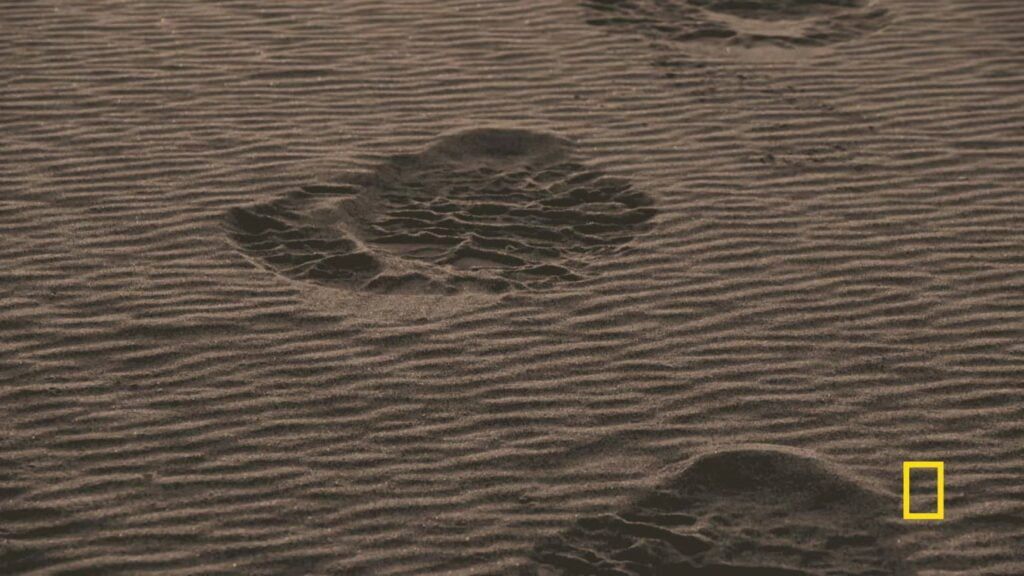
"Secrets of the Elephants" frame capture
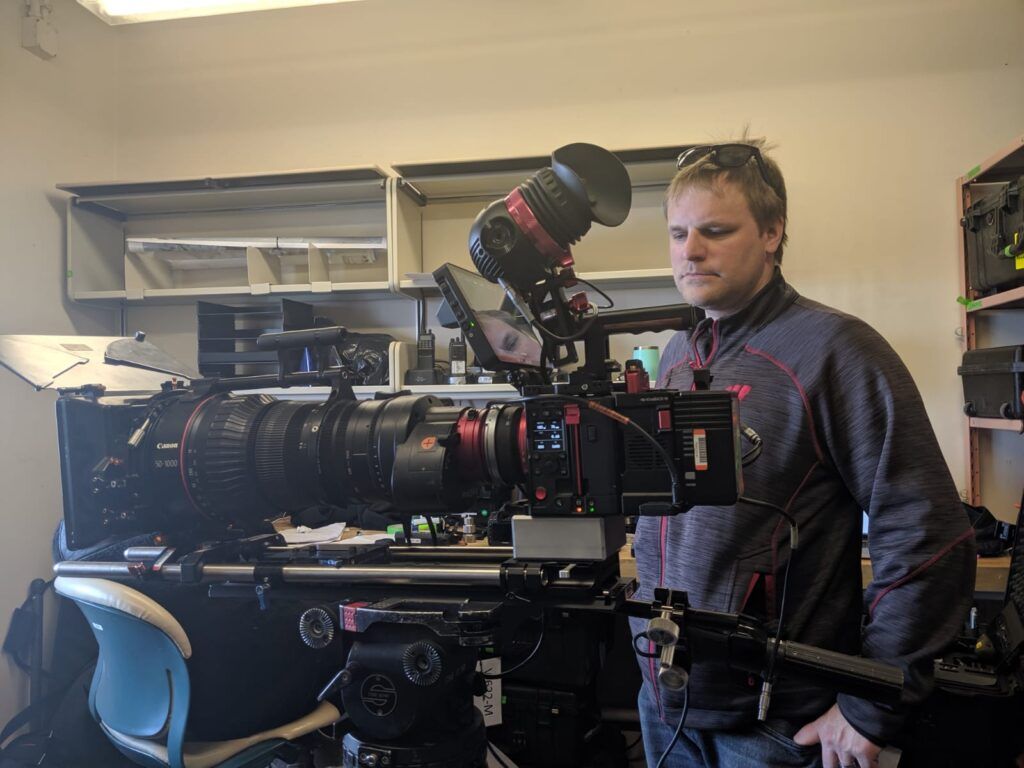
Toby Strong's MAVO LF paired with Canon 50-1000mm
The MAVO Edge 6K played a significant role in my pursuit of creative visual experiences. Its versatility is remarkable—combining the advantages of lightness with high performance. Going light in the field was very convenient, and with my custom-designed lens support system, the body could easily accommodate all these different lenses—successfully helping us capture the moments we wanted.
Particularly worth highlighting:the MAVO Edge 6K's dual native ISO is extraordinarily flexible—it allows me to obtain ultra-high-quality footage in different environments, delivering the most beautiful images possible from such a compact body.
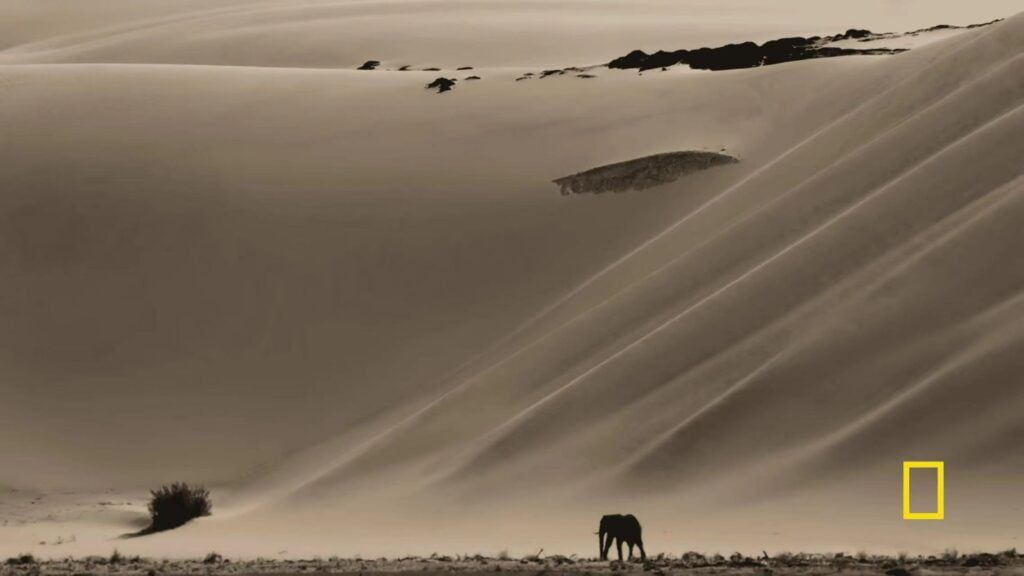
"Secrets of the Elephants" frame capture
Zhuoyao Can you share the camera specs and configurations you used on this project?
Strong I used full-frame or Super 35 format, 25P, ProRes 4444 codec.I shoot at the highest resolution in full-frame format as much as possible, because we might potentially release a finished IMAX format version.
Zhuoyao Were there any particularly interesting stories or memorable moments during the shoot?
Strong Absolutely—there were many incredible moments during this shoot. One of the most challenging scenarios was when we unexpectedly encountered a once-in-a-century storm. Floodwaters surged instantly into the river, putting our lives at risk. What we had hoped would be footage of elephants joyfully drinking water turned in an instant into an emergency escape situation. Even so, while escaping we still did our best to film the elephants also trying to flee—which made the whole situation quite dramatic.
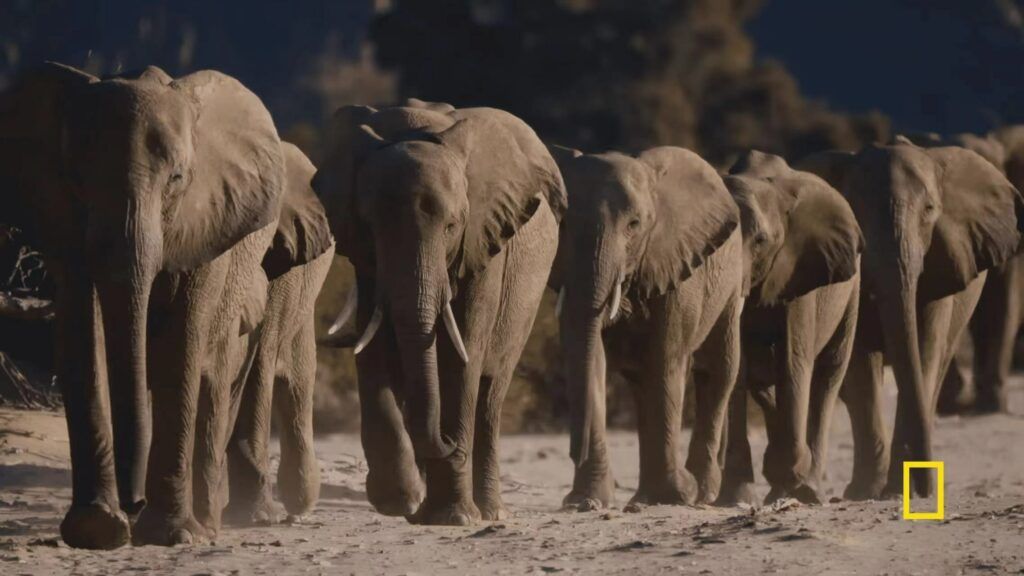
"Secrets of the Elephants" frame capture
Every day with the elephants was incredible. We were fortunate—though we took some risks, we ultimately captured extraordinary stories.

Zhuoyao As a longtime Kinefinity customer, after using the MAVO Edge 6K, did you notice any differences compared to the MAVO LF?
Strong The MAVO Edge 6K has seen significant improvements in performance. I love my MAVO LF—I've been traveling the world with it since 2018. But after using the MAVO Edge 6K,I clearly noticed it's even better. The integration of multiple industry-standard ports on the back of the body is a significant improvement, and the enhanced weather sealing provides better protection against natural environments, making the body more durable.
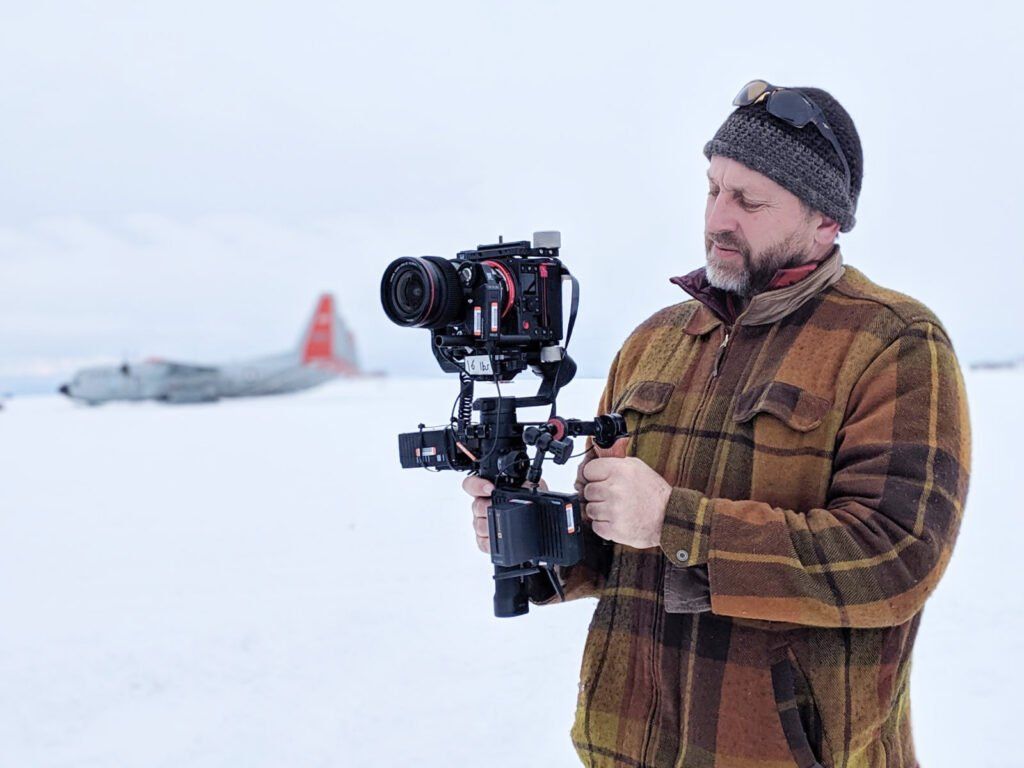
Toby Strong with the MAVO LF
Now, even when going into desert shooting, I feel more confident. In a few weeks, I'll be heading to the Himalayan highlands near the Chinese border for another shoot—using the MAVO Edge 6K gives me additional peace of mind.
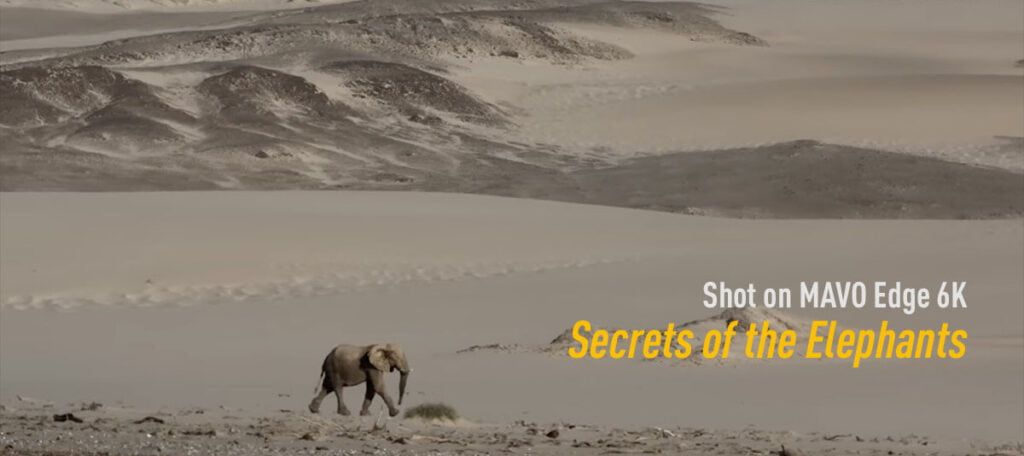
"Secrets of the Elephants" frame capture
Additionally, the MAVO Edge 6K's built-in e-ND filter runs very smoothly. I've never encountered any color shift issues when using the e-ND. Even under the blazing desert sun I can shoot at my preferred aperture, thanks to effective e-ND control. Adjusting from Clear to ND 2.4 is especially helpful for handling the extreme lighting conditions in the desert.
Zhuoyao You previously mentioned using the MAVO Edge 6K paired with the Ronin 4D—how was the workload divided between them during actual shooting?
Strong I primarily used the MAVO Edge 6K on a tripod or handheld to capture the majority of the footage. Paired with the 50-1000mm zoom lens, the MAVO Edge 6K allowed me to capture a very wide variety of footage with excellent results.
I mounted the Ronin 4D on a TILTA arm attached to the front of the vehicle and designed a rigging system to ensure stability. This setup allowed me to easily control the camera from inside the vehicle—I used it for scenes requiring quick-response movement, such as when I spotted elephants approaching.The MAVO Edge 6K paired with the Ronin 4D gave me precise control over zoom and pan—having such a precise camera control unit is a huge advantage.
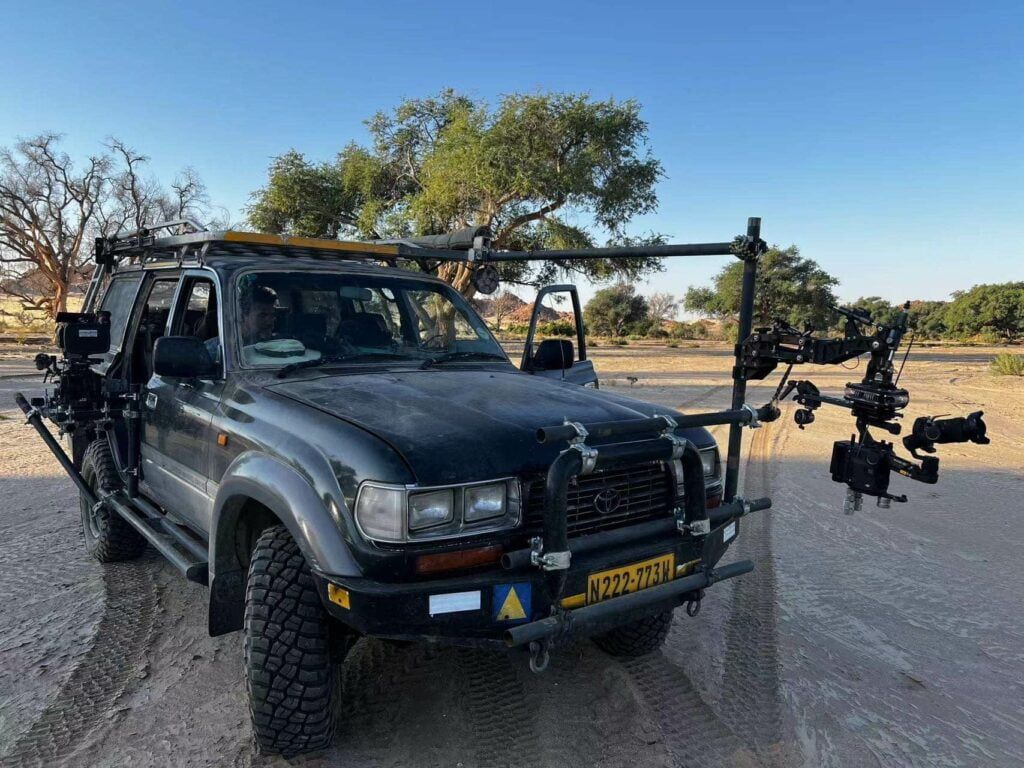
"Secrets of the Elephants" on-location filming
I once used a Kinefinity camera to film in Antarctica at minus 50 degrees—it never let me down. Now the MAVO Edge 6K has even better weather sealing,performing excellently in all kinds of extreme conditions—including extreme temperatures, sandstorms, and dust-filled environments. That left a deep impression on me.

Zhuoyao This is your fourth Emmy nomination. Can you share what made this one different from your previous works?
Strong The filming experience on "Secrets of the Elephants" has been the best of my career. I received my first Emmy for Human Planet—a quite challenging documentary. Later I received a nomination for Warlords of Ivory—a film about stopping the ivory trade, also full of enormous production challenges.
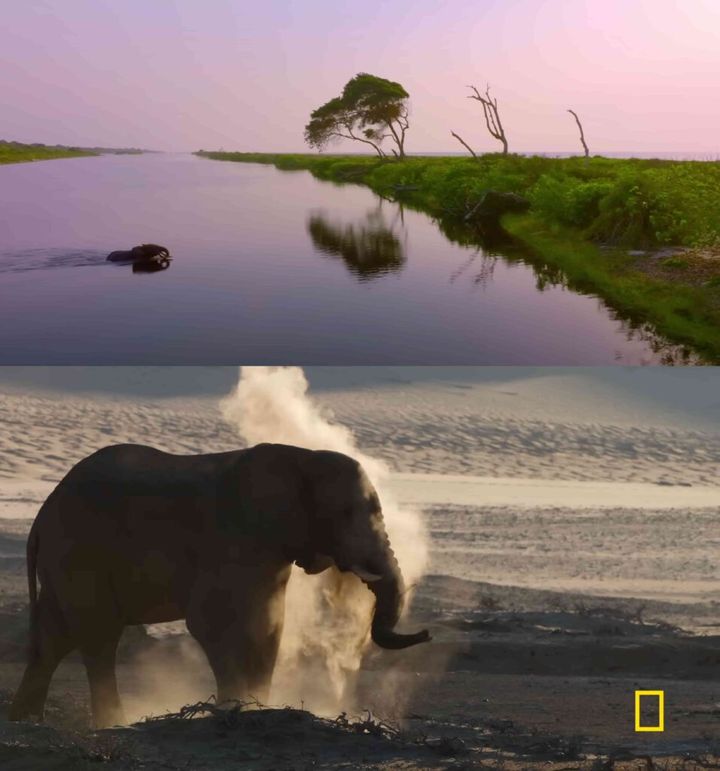
"Secrets of the Elephants" frame capture
By comparison, "Secrets of the Elephants" is visually stunning and very beautiful. What makes it even more special is that in many situations, it was just me or another cinematographer working alone in harsh conditions—sandstorms, extreme heat—having to carry the entire crew's workload independently. I am very proud of what we achieved.
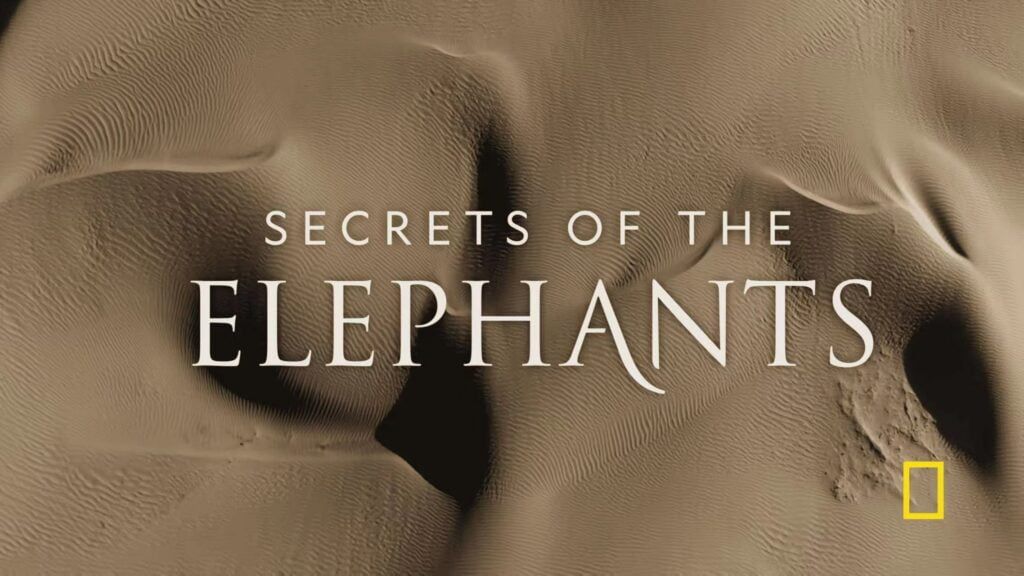
"Secrets of the Elephants" frame capture
As for the Desert episode receiving an Emmy Best Cinematography nomination, I think one important reason is that I tried to truly take ownership of this episode and its visual style. Because I know the desert very well and have a clear sense of its aesthetic and feel, I wanted to capture it in a very particular way. Also, while the other episodes covered shots from different locations and stories,we focused on telling the stories of a small number of individual elephants—this approach seemed to resonate deeply with audiences.
Zhuoyao Do you have any suggestions for improvements to the camera? We're working on some firmware upgrades, and your feedback would be very valuable for optimizing the MAVO Edge 6K.
Strong A pre-recording function would be very appealing and quite helpful to me. As for audio—our sound recordist wasn't entirely satisfied with the camera's audio setup. It would be great if the audio settings could be made more professional.
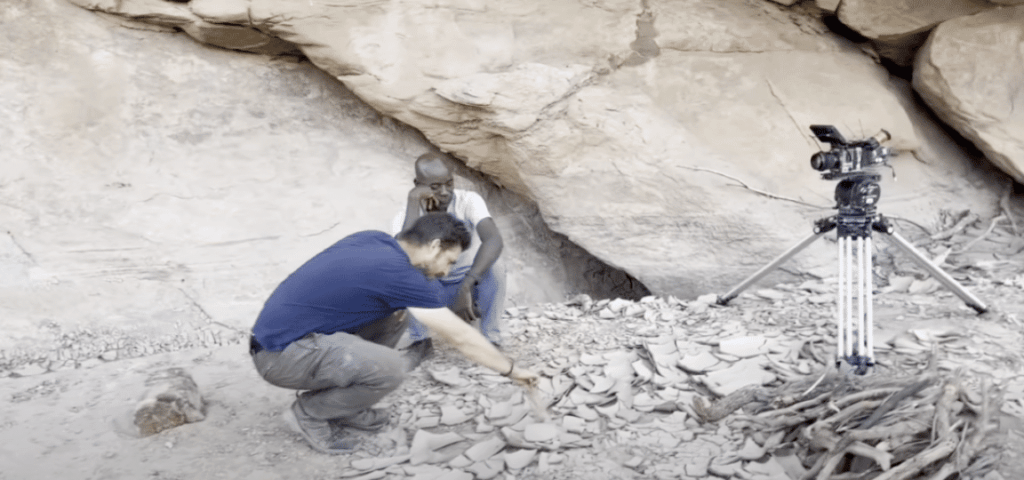
MAVO Edge 6K working in the hot desert
Additionally, if it were easy to stream footage wirelessly via Wi-Fi or Bluetooth to a phone, iPad, or similar device, that would be very convenient. Some cameras already offer this, and it's very helpful for my work. Beyond that, I'm very happy with the MAVO Edge 6K—it's truly excellent.
Zhuoyao Are you willing to share any upcoming shooting projects?
Strong In two weeks I'll be heading to Nepal, then West Africa, then the South Pacific. Exploration and travel are fundamental parts of my work—traveling, configuring camera equipment, and then beginning to capture footage. It's all very exciting; each project is deeply compelling.
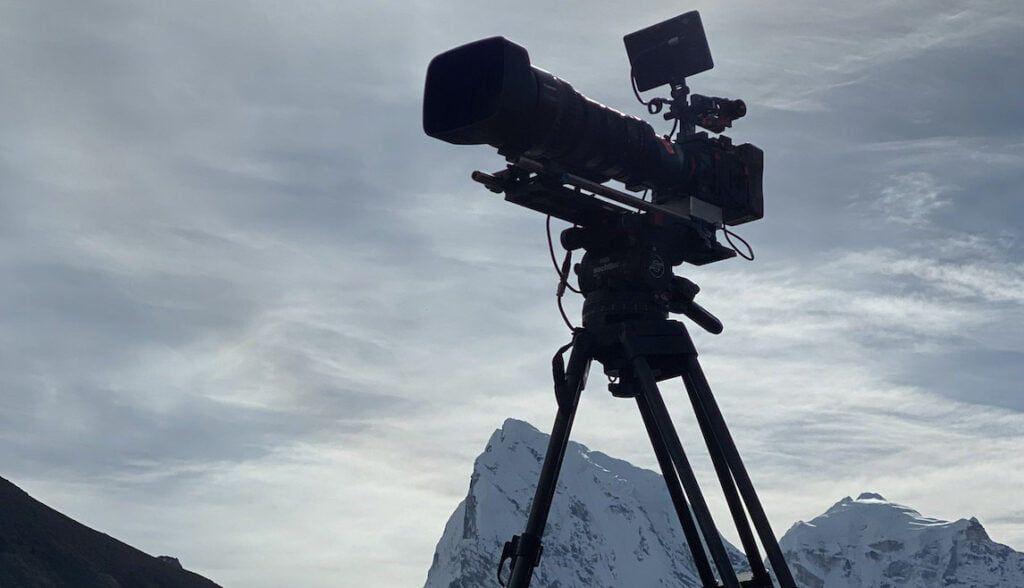
MAVO LF in mountain snow
Additionally, the documentary Human Planet 3, which I shot using the MAVO Edge 6K, will be released globally in late October—a work well worth anticipating.In my projects ahead, the MAVO Edge 6K will continue to travel the world with me.
"In this darker, lower-contrast, underexposed environment, the MAVO Edge 6K, with its excellent high dynamic range, perfectly captured the tonal atmosphere of the scene, delivering clean and natural extraordinary images."