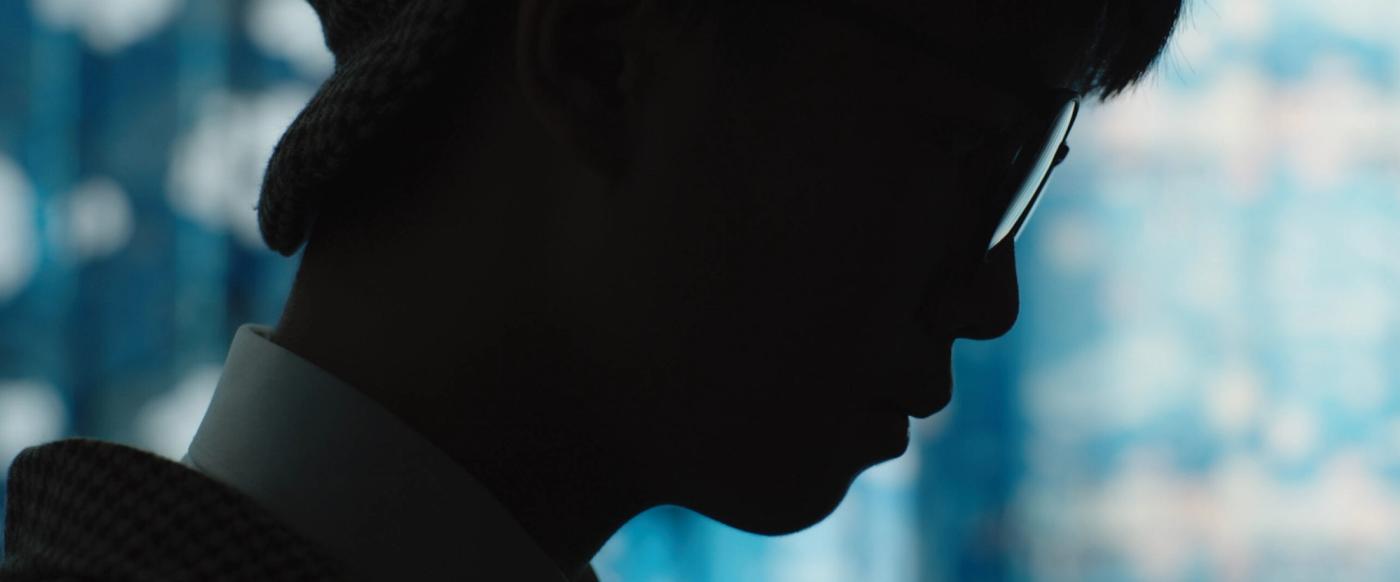
Director Wan Bocheng's Cinematography Notes
"From the beginning of 2019 to the present, I have used the MAVO LF to shoot 6 narrative short films. The MAVO LF has performed very stably and outstandingly. Moreover, through this process, I have developed deep friendships with the Kinefinity team—their emphasis on and support for creative work has moved me deeply. So I am very happy to share my MAVO LF experience, in hopes of being helpful to friends interested in Kinefinity cameras." — Director Wan Bocheng, Maoran's Day
Maoran's Day
Project Introduction
The short film I'm sharing today is my MFA graduation work, "Maoran's Day," in which I served simultaneously as writer, director, and cinematographer. The short tells the coming-of-age story of a middle school boy. The protagonist, Zeng Maoran, is a middle schooler immersed in detective manga and popular films, his mind full of unrealistic fantasies. One day, after being publicly "humiliated" by the homeroom teacher he has long resented, he proposes a plan to his best friend "Lao Ding" to get even with their teacher Zhang Biran. Their plan: sneak into the teachers' office at night and steal the carefully prepared lesson plan Zhang has set aside for the following day's public class—to humiliate him in front of everyone. The heist hits one snag after another, yet ultimately succeeds without disaster. But inside the lesson plan, a home-visit notebook reveals another side of Zhang Biran: during one home visit Maoran knew nothing about, Zhang had kindly deceived Maoran's mother in order to protect Maoran. This keeps Maoran tossing and turning all night. When morning comes, he decides that going through with his plan would violate his own sense of justice, and resolves to return the lesson plan. But time is short, and on the way to school he encounters yet another unexpected setback. Maoran's plan to return it ultimately fails. Standing outside the classroom, surrounded by the sound of students reading aloud, Maoran is consumed by guilt.
Overall Visual Approach
Because this is a story about an adolescent boy who loves to fantasize, I wanted the imagery to be energetic, bold, and sometimes exaggerated. But it's also a story about a young boy's inner world, so the images needed genuine intimacy—closing the distance between audience and protagonist, allowing viewers to feel the character's emotions. In terms of overall atmosphere, though the story is set in the present, I wanted the film to carry a quality of memory—using colors and production design that evoke middle school recollections to create empathy in the audience.
Cinematographic Design
Based on the overall stylistic needs, I made the following design decisions: first, lens focal length. In my view, the most important function of different focal lengths is not to control framing size, but to define the distance relationship between the camera and the character in a film. When shooting the same framing, using a shorter focal length means being physically closer to the character; longer focal lengths mean greater physical distance. And the camera's distance from the character is the audience's distance from the character—because the camera represents the audience's eye. Camera closeness creates intimacy; camera distance creates emotional separation. Furthermore, the camera-character distance also represents the author's perspective and point of view: shooting from a greater distance implies a more observational, analytical quality; shooting from very close up emphasizes the experience and perception of the character's emotions.
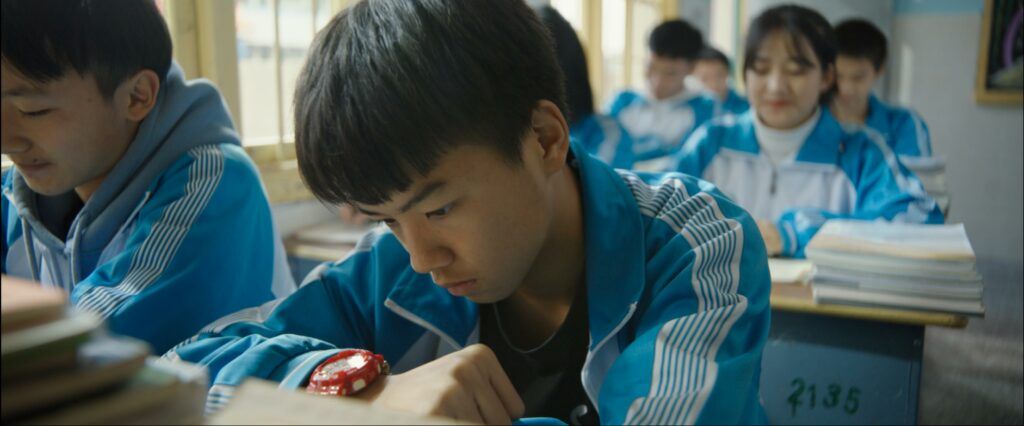
When shooting characters in medium close-up with a short focal length lens, the foreground character is very prominent and the character's emotional changes are amplified—audiences easily focus on the character's emotional shifts. And because the camera is always in close proximity to the character, audiences feel like they are inside the story, led there by the character—as in films like Amélie and Birdman, both of which used short focal length lenses for their characters, throughout the entire film.
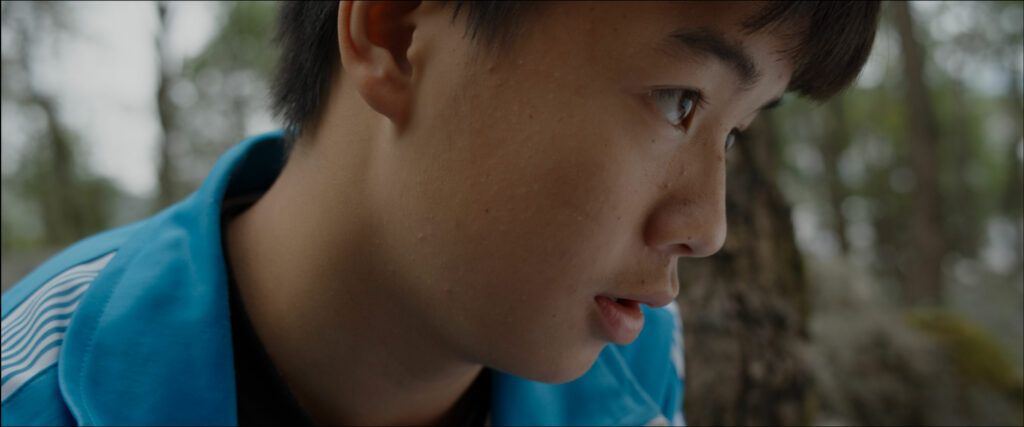
In "Maoran's Day," I needed the audience to feel intimate with the protagonist, to experience his emotional changes, to be constantly at his side like a friend. So I chose to shoot the entire film with short focal length lenses—keeping the camera as close to him as possible to emphasize and amplify Maoran's emotions while closing the distance between audience and Maoran. Except for a few special shots, the entire short was shot in conventional narrative sequences using 21mm, 25mm, and 35mm lenses.
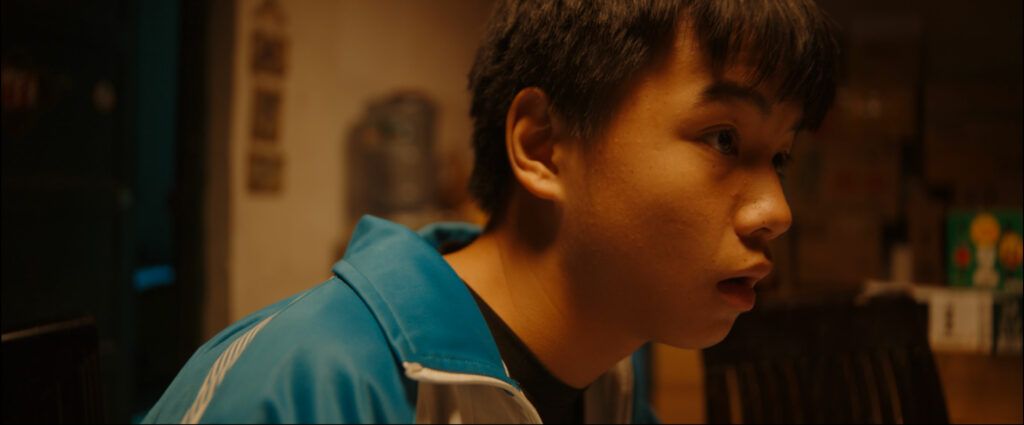
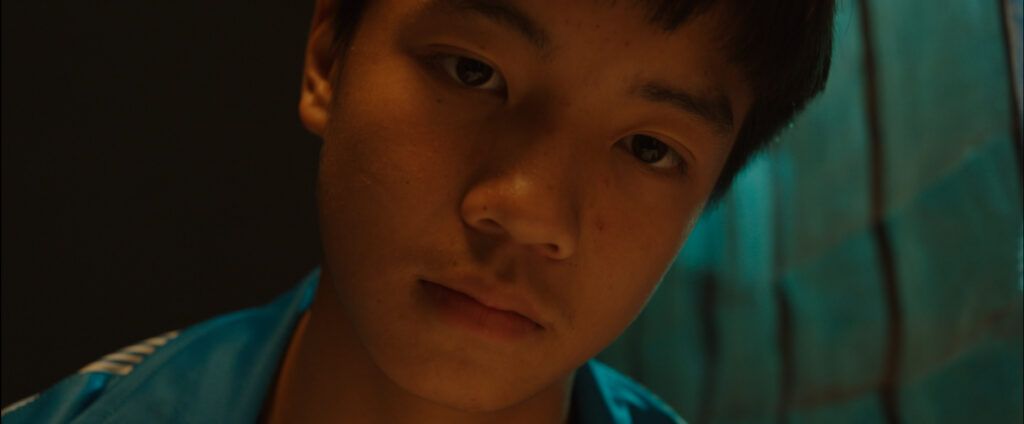
Short focal length lenses make characters' movements more exaggerated and spatial perspective more pronounced. The cinematic space-time they create better matches the appearance of the world as Maoran experiences it. A boy of this age is full of restless energy desperate for release, with rapidly shifting emotions he can't control, always ready to replay scenarios from manga and popular novels in real life. The world appears agitated and slightly distorted through Maoran's eyes, and short focal length lenses express his world beautifully.
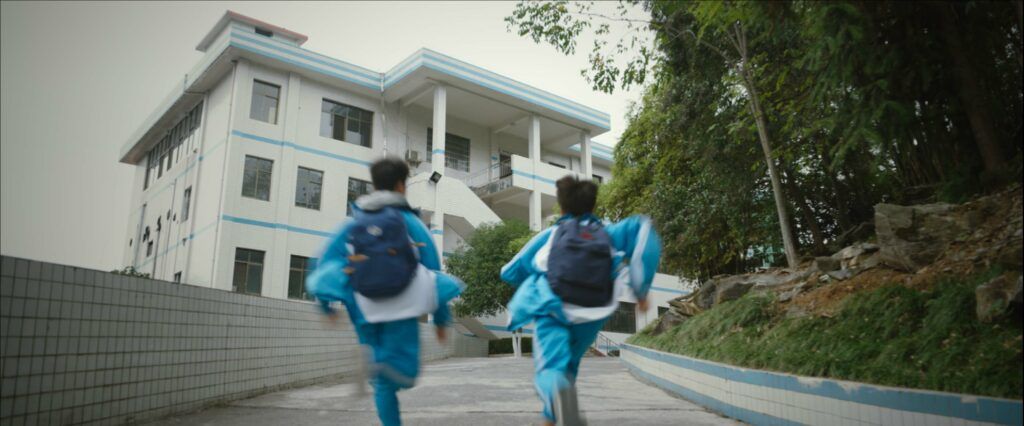
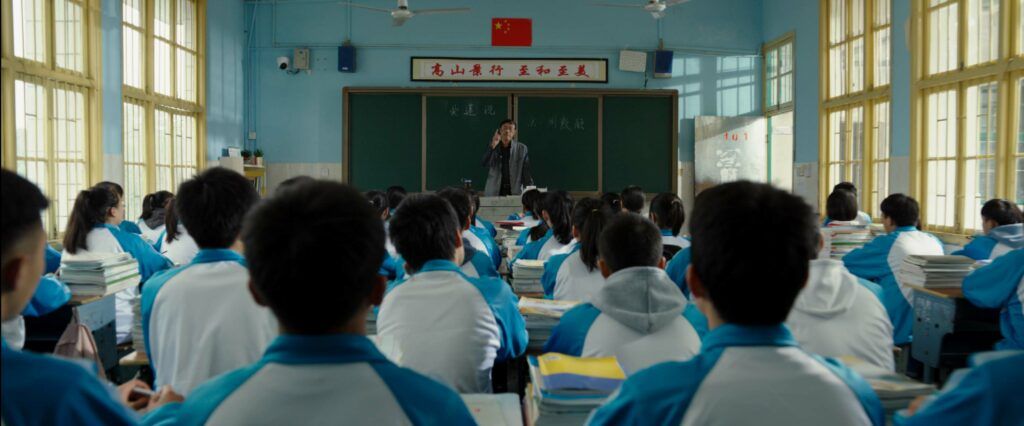
For the overall color palette, I initially discussed a stylized grading approach with the production designer. But after shooting the experimental reel, we found that western Hunan (Xiangxi)'s natural colors were so rich and diverse that it was very difficult to organize them harmoniously—and stylized grading often destroyed the inherent beauty of the natural colors of locations. So we abandoned the stylized grading approach and decided to preserve the natural colors, instead finding a representative color that could express youthful vitality through costumes and set design. We settled on the sky blue and white of the school uniforms as the characters' representative colors. Fortunately, we found this color scheme was everywhere in the school—the office desks, curtains, and school buildings all shared this palette. So we decided to paint the interior of the classroom sky blue and white as well, matching the uniforms and creating the film's signature color—representing the vitality and vitality of middle school students.
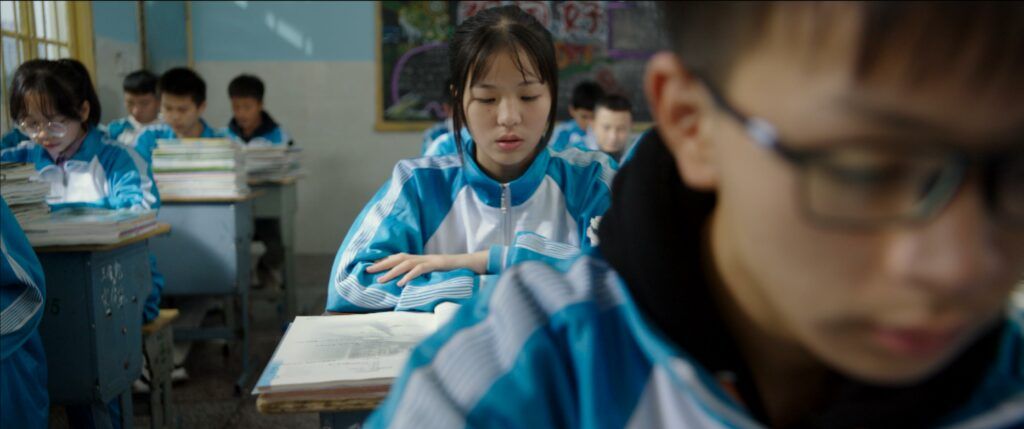
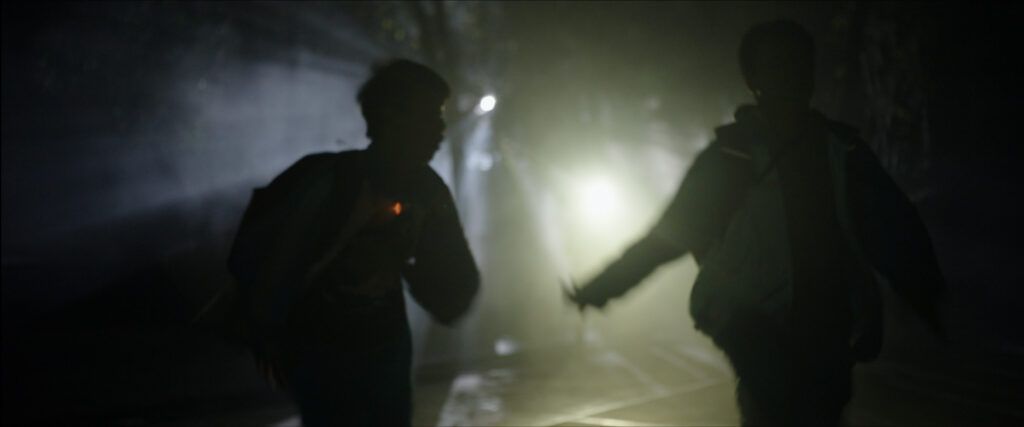
In terms of lighting, the main design work focused on the night scenes and the boy's fantasy sequences. In the daytime sections of this film, Maoran's life is essentially in a state of suppression and dullness, so my daytime lighting follows the natural logic of time of day and weather—moderate contrast, softer light, with minimal intrusion on the narrative. But night becomes Maoran's main battleground—there I chose high contrast, heavy shadows, smoke, and warm-cold light contrasts to heighten atmosphere and dramatic tension.
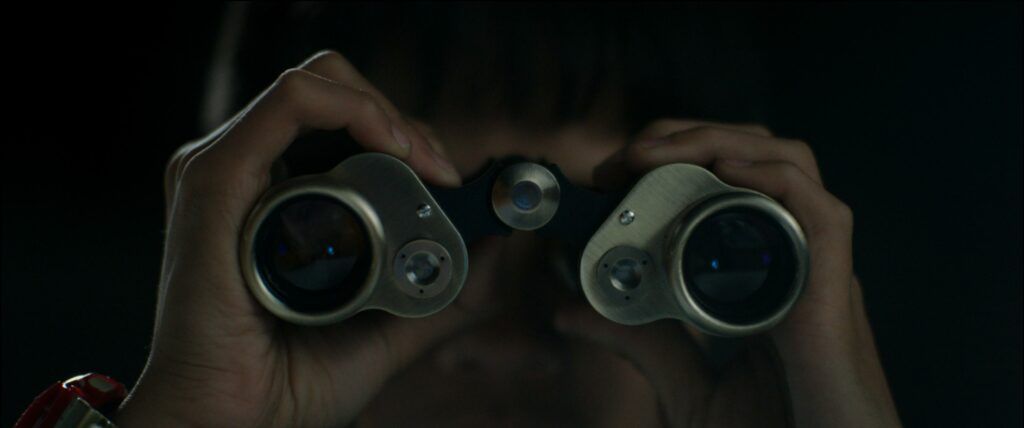
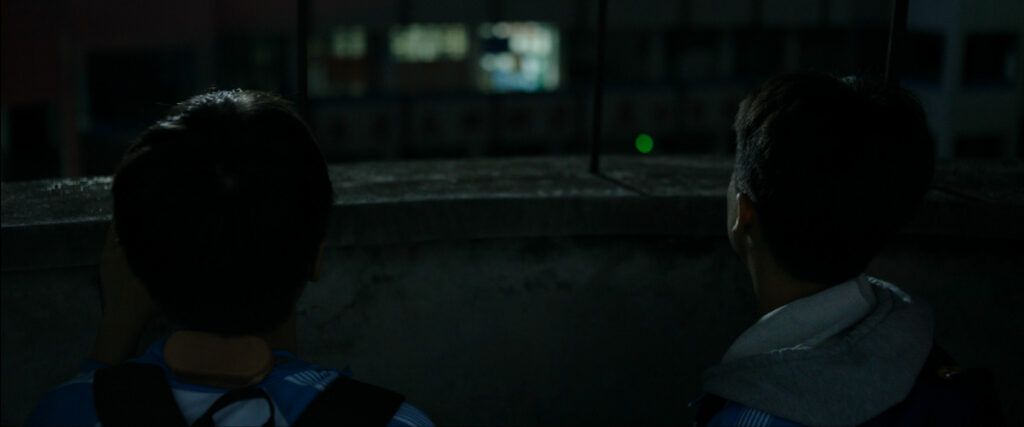
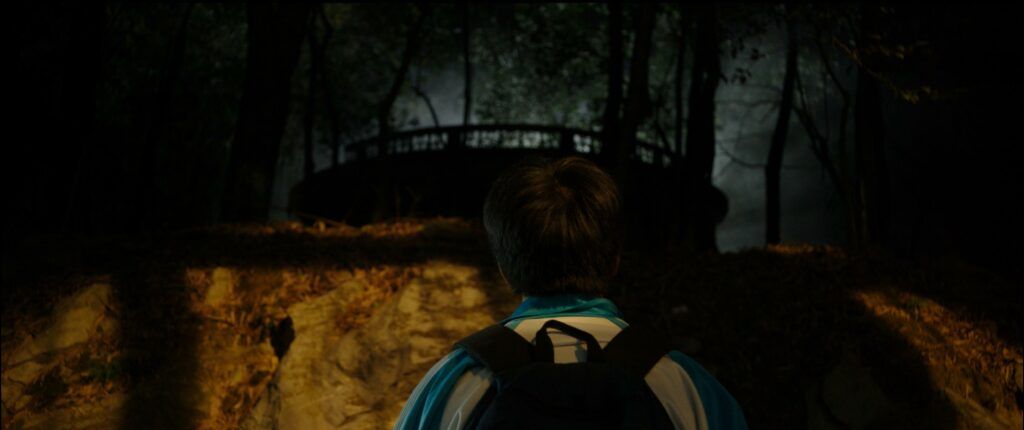
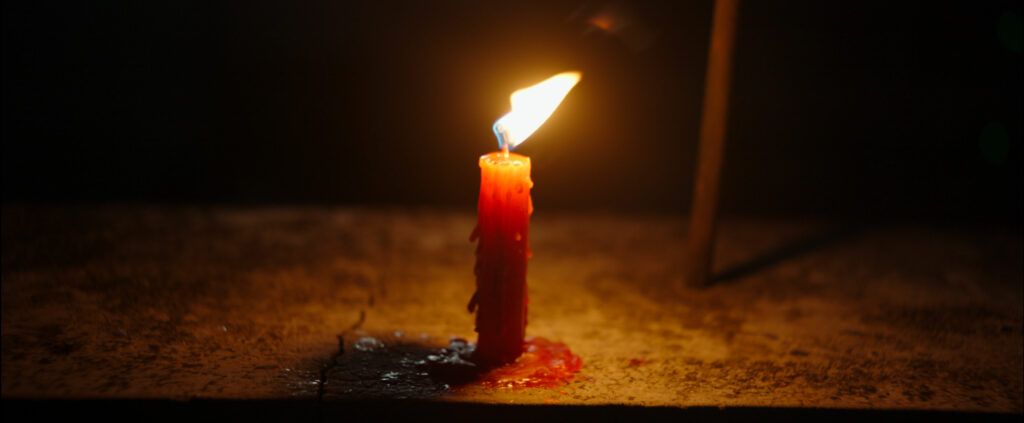
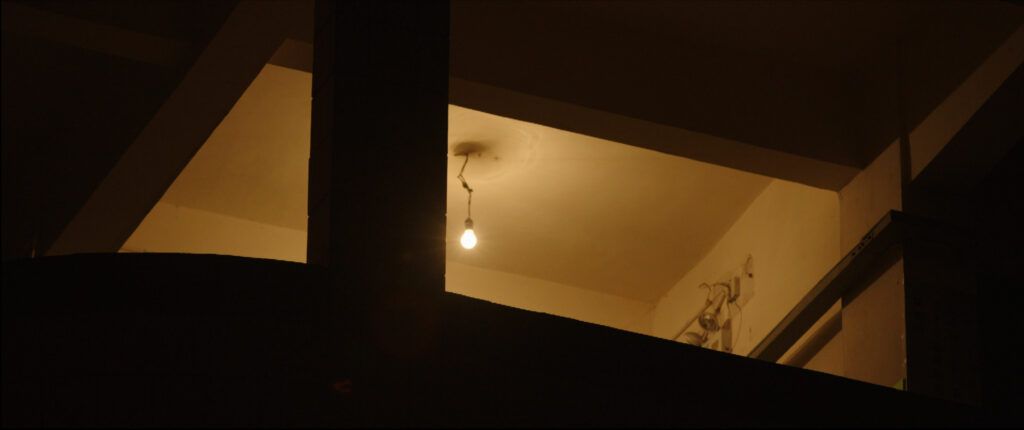
I let practical light sources participate in the visual design and storytelling as much as possible, with changes in light effects tied to the script, so that light naturally participates in the narrative rather than feeling illogical or alienating. Candles, flashlights, corridor lights, and keychain lights all appear in the film as both functional sources and sculpting lights. For example, the corridor lights and the candle are important narrative nodes: when Maoran triggers the alarm, all the motion-activated corridor lights turn on in sequence—each lamp lighting up amplifies the tension. The flash of a flashlight alerts Lao Ding to a security guard approaching, and when the guard arrives, Lao Ding blows out the candle—the frame goes entirely black, naturally transitioning to the next sequence.
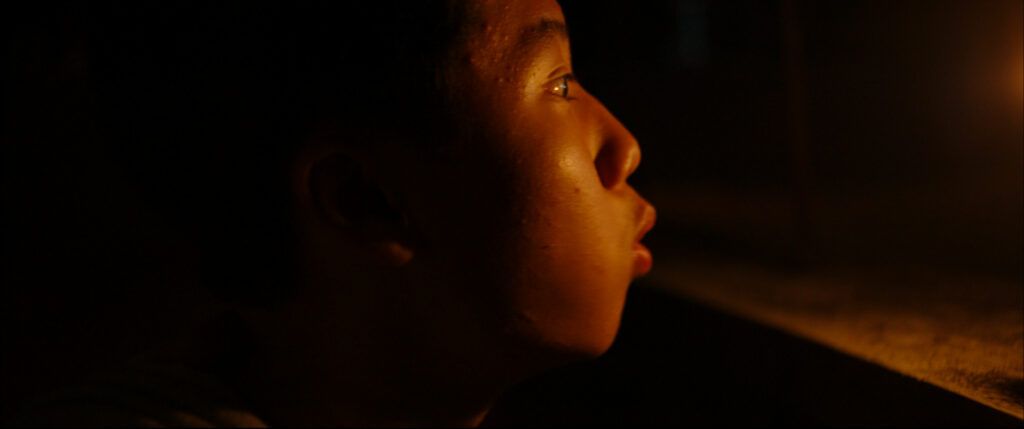
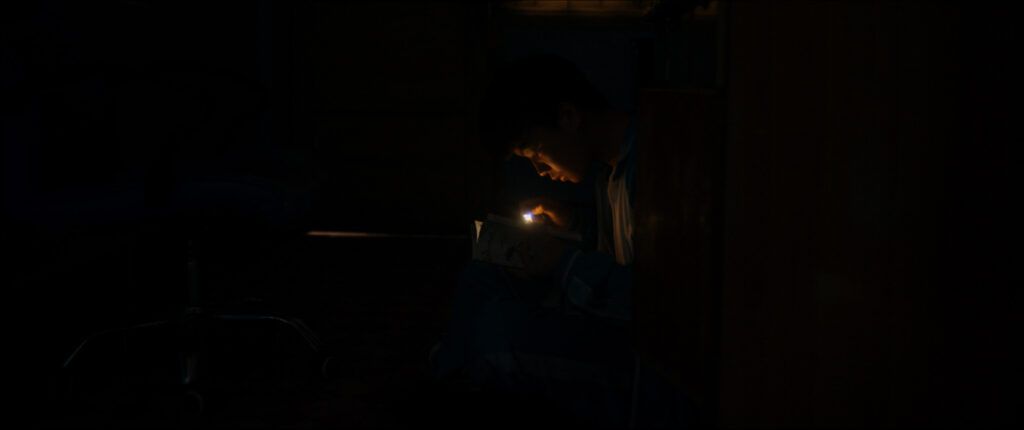
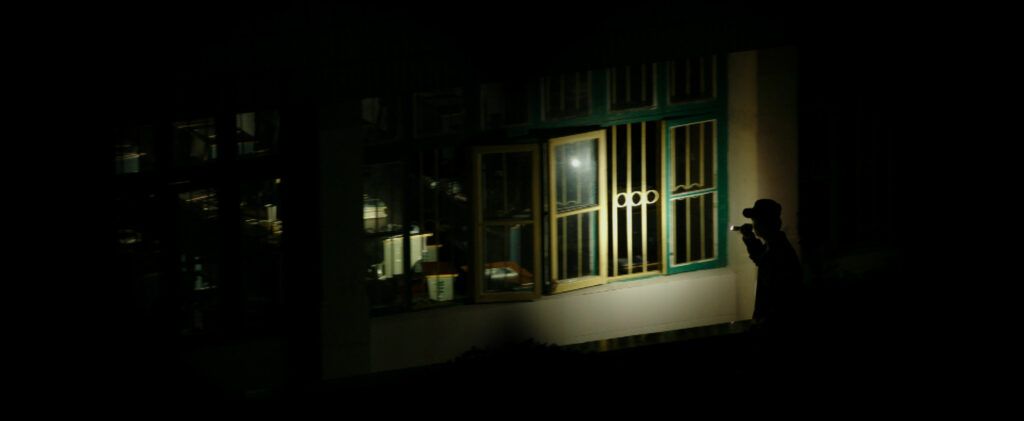
In the scene where Maoran steals the teacher's lesson plan, the entire sequence uses a single small keychain light as the primary light source, with no fill or base light. Because this kind of faint light has very steep falloff, only what is very close to the source is illuminated—so except for Maoran's face, his entire form is submerged in darkness. I wanted this effect to create a sense of mystery and tension.
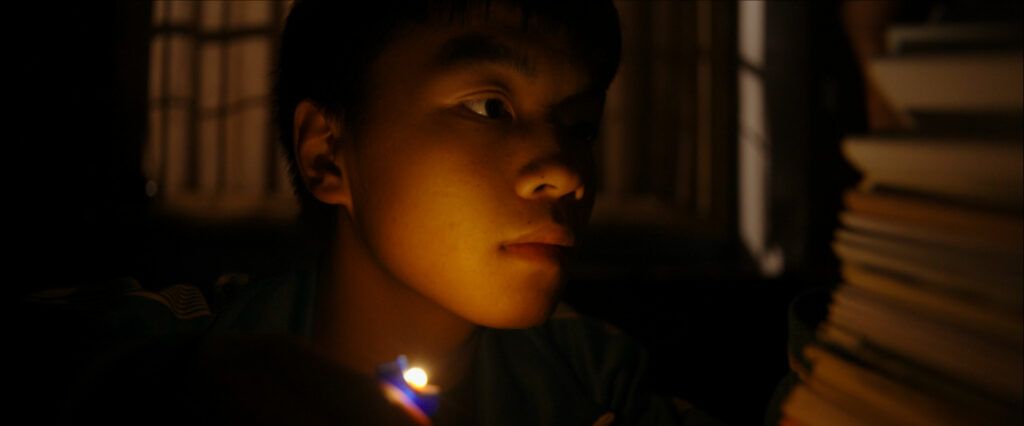
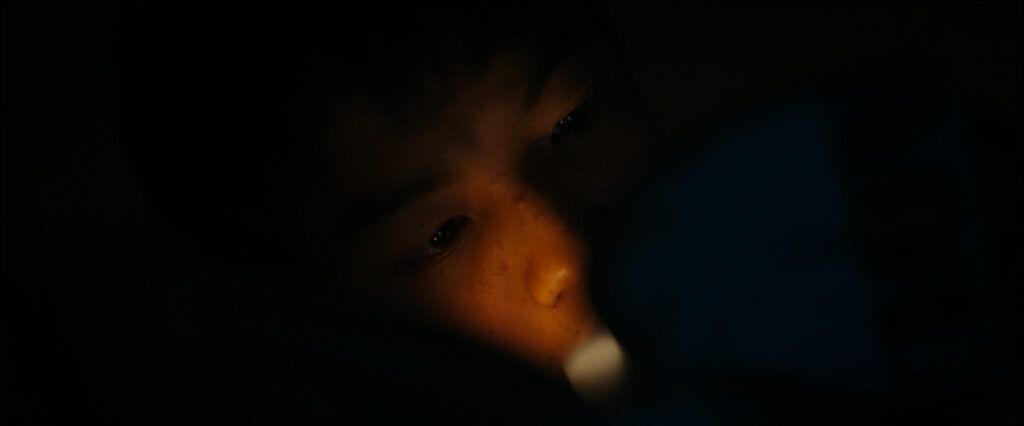
In this sequence, my concept of using only a keychain light as the sole source was made possible by the MAVO LF's exceptional high-ISO performance. The entire sequence was shot at ISO 5120. In high-sensitivity mode, the MAVO LF still maintained a very high signal-to-noise ratio—the noise remained within an acceptable range and did not affect the viewing experience.
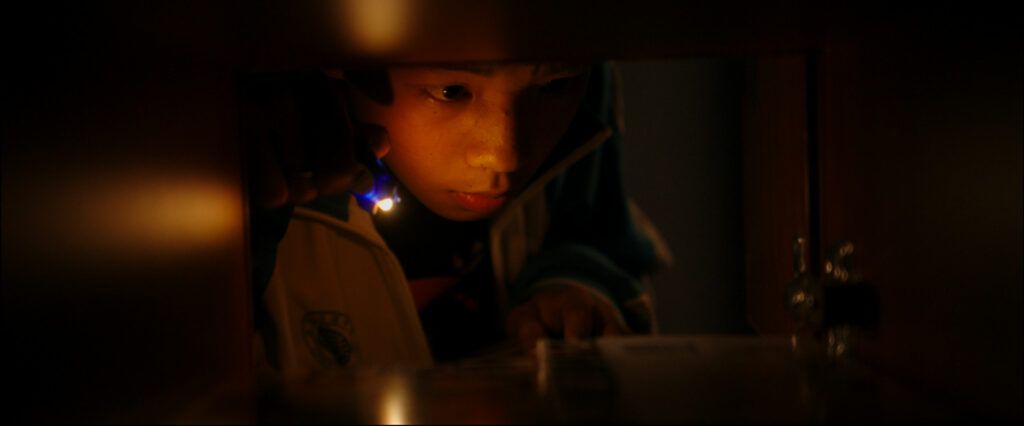
I think this is where the dual native ISO mode has its most significant creative importance: in high-sensitivity mode, you can use actual practical light sources for illumination, capturing subtle changes in light, without having to painstakingly create and engineer prop lights. At ISO 800, this keychain light would have needed to be specially made by the prop department to provide sufficient illumination—but a bright enough prop light would have an unrealistically gradual falloff, and because it's brighter, its light would reach further and create more diffuse ambient fill in the environment, so the contrast wouldn't be this extreme. And because it's too bright, the light center and its surroundings might be overexposed to a degree that makes it unsuitable to include in the frame. I wanted the light source to be a part of the narrative—to interact with the actors, to freely enter and exit the frame, to appear exactly where it belongs. This authenticity is very important to me.
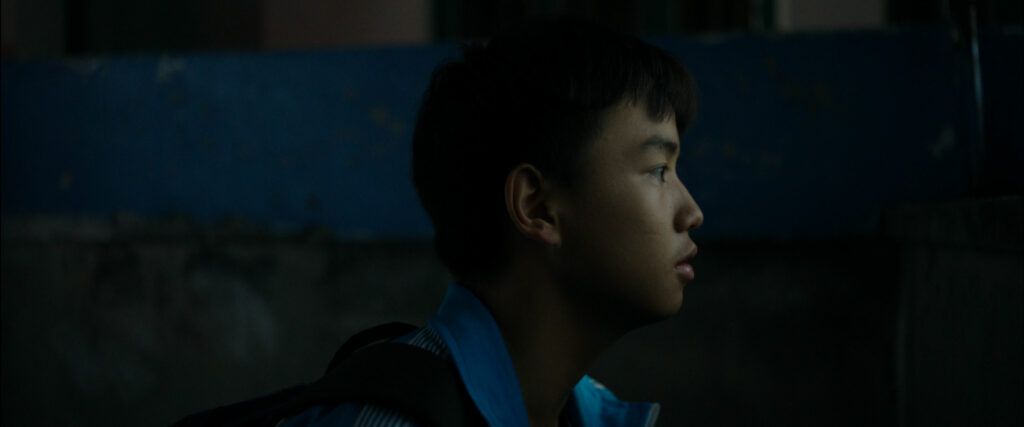
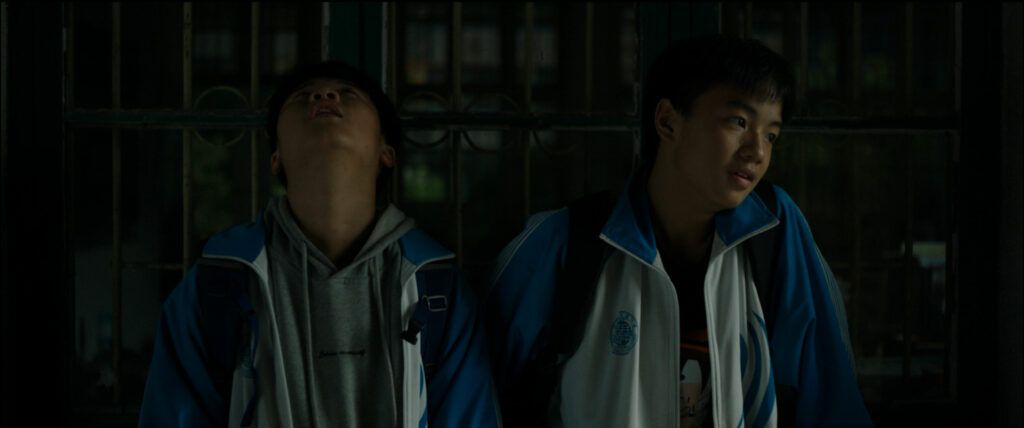
Of course, the biggest benefit of dual native ISO for student productions is flexibility and budget savings. For the night exterior shooting, high ISO once again provided enormous convenience. The largest lights used for these night exterior scenes were two 2.5K HMI Fresnel fixtures. I used both 2.5K fixtures to push through a 12×12 diffusion silk, placed on a rooftop 15 meters from the shooting platform (two floors higher than the platform) to provide the ambient light I needed. Then I used an Aputure 300D in the foreground as the primary sculpting source. At ISO 5120, these fixtures were sufficient. To put this in perspective: if we had been shooting at ISO 800 and needed the same exposure as the 2.5K HMIs at ISO 5120, we would have needed 16K HMI fixtures—which standard residential power can't support. We would have had to run cable from a nearby electrical panel or bring in a generator, creating time and cost burdens that a student production simply can't absorb. Even if we could afford it, I would rather not use lighting approaches of this scale with limited budgets—better to put limited funds toward the art department and sound equipment, and limited time toward the actors and director for performance and blocking. Those things make a better film. Audiences come to watch a story, not to admire clean shadows—chasing noise-free night exteriors on a constrained budget is unwise. Of course, when budget and time are more generous, you should absolutely pursue better technical standards.
That said, this was my first time shooting a full-environment night exterior entirely at ISO 5120. Although I had done test footage beforehand, I was a bit anxious after the first day. But after seeing the DIT's rough color grades, I was basically at ease—and the final result was very satisfying.
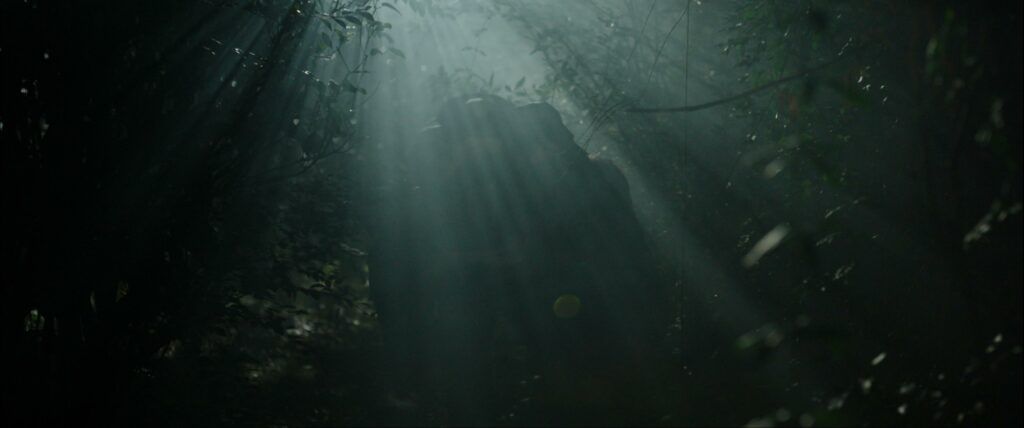
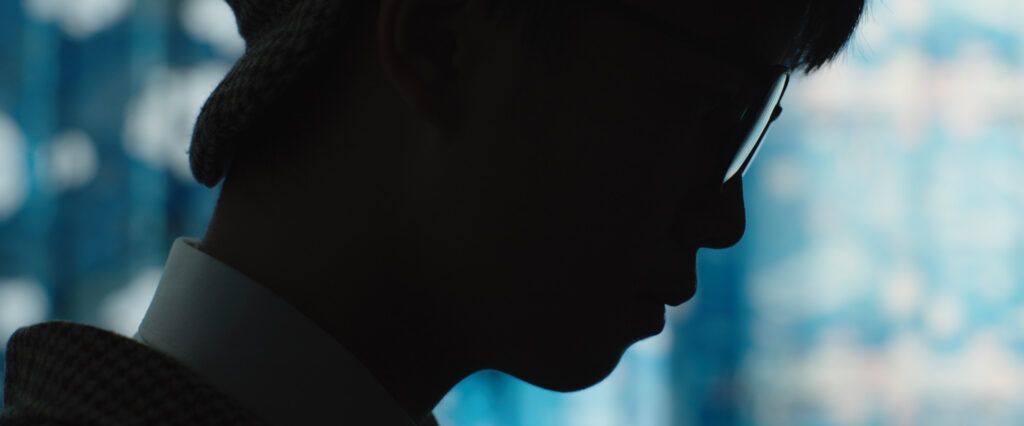
In the boy's fantasy sequences, I used more expressive lighting to represent the boy's inner world and simulate the manga and film scenarios he imagines.
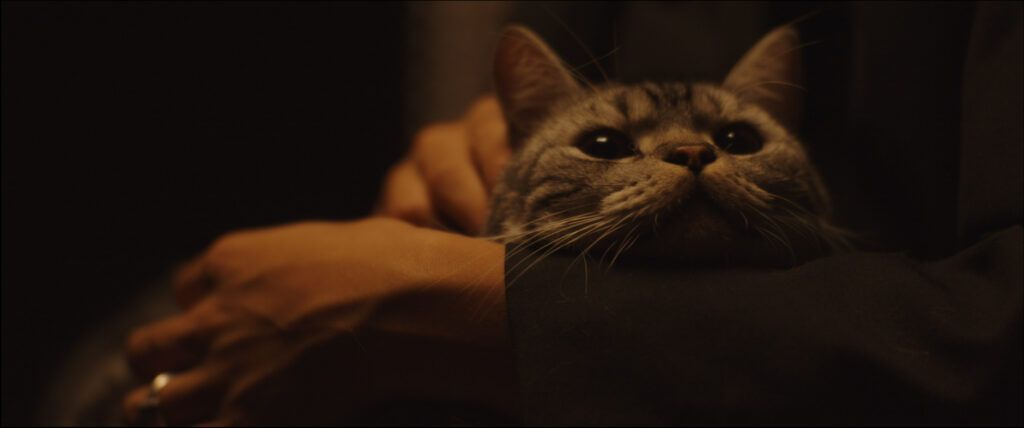
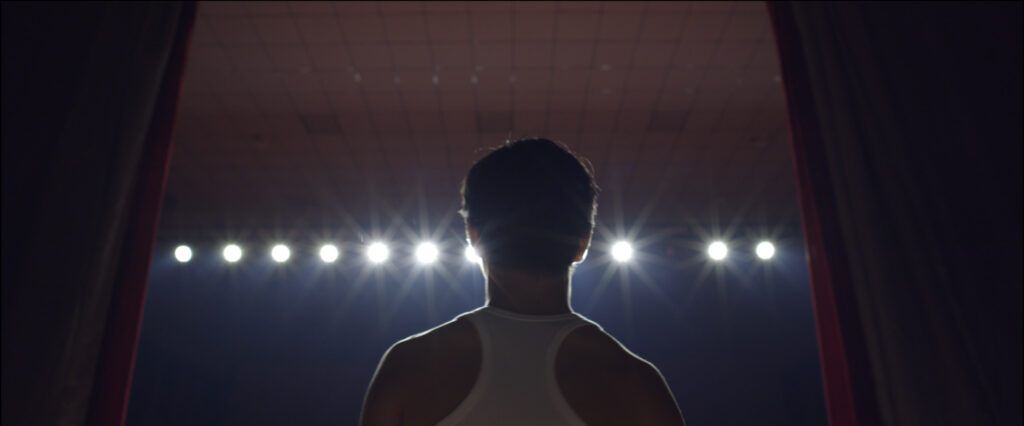
The film's camera movements are primarily concentrated in several sequences: the 'teacher discovers Maoran reading an unauthorized book,' the long take 'teacher's home visit,' 'Maoran's imaginary stage,' and 'Maoran's awakening.' I chose a DJI Ronin-S, a custom handheld ring made by teacher Youfeng, a self-balancing scooter, a Syrp Shark Slider S1, a Tourise JQ40 second-gen jib arm, and an EasySling harness to complete all my camera movement shots. The camera support systems used were 100mm bowl-mount tripods and fluid heads. These tools reflect the MAVO LF's advantages in lightweight and modular design—a smaller, lighter camera lets me use lighter support equipment and simpler movement solutions, allows for maneuvering in tight spaces, and saves both time and the crew's physical energy.
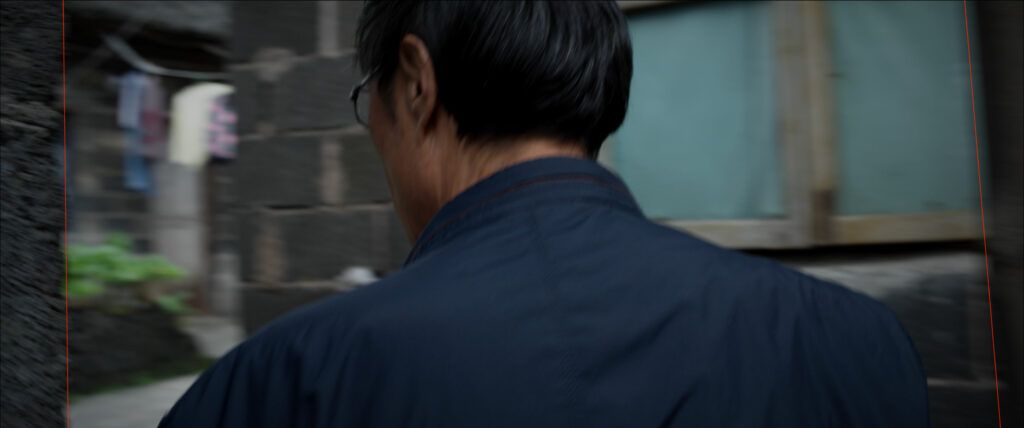
At the beginning of the home visit sequence, there is a two-minute long take that requires the camera to pass through a narrow alley—made even more challenging by a railing in the middle of the alley. It was precisely because the Ronin-S, the MAVO LF, and the LOXIA lenses are all very compact that I was just barely able to squeeze through the gap—making it possible to execute the design of the teacher walking through the entire narrow alley.
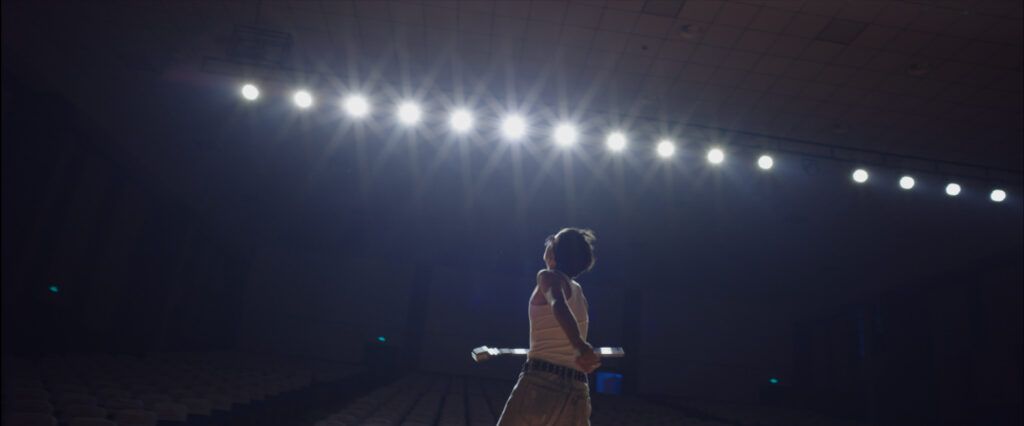
In the sequence where Maoran fantasizes he's Freddie Mercury, lead singer of Queen, for the sake of atmosphere and authentic performance, I adopted a concert-style shooting approach. On a self-balancing scooter, I used the Ronin-S, the handheld ring, and the EasySling harness, closely interacting with the actor based on his state and energy—keeping the camera in a 'dance' with the actor. I then selected the moments I wanted from the full take, rather than having the actor purely perform the specific movements I wanted. Because sometimes young actors can't fully perform exactly the feeling I need—but letting them naturally immerse in the stage and the music allows them to spontaneously produce more dynamically charged movements.
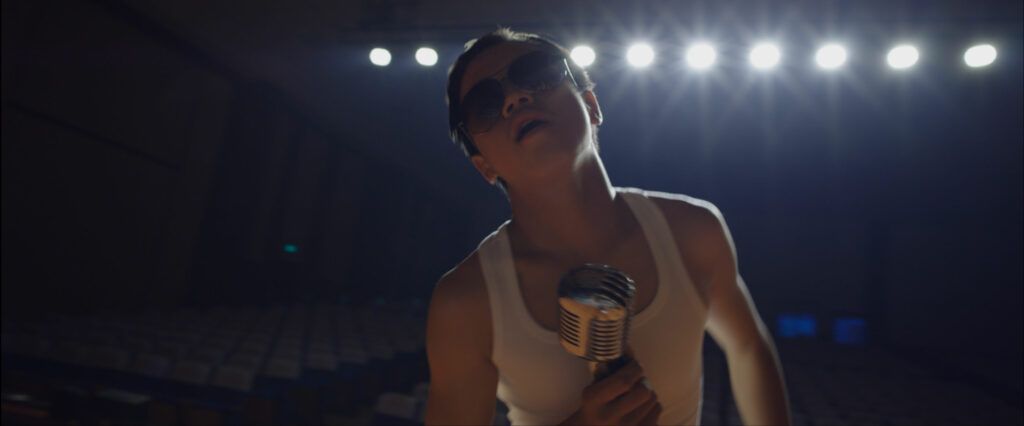
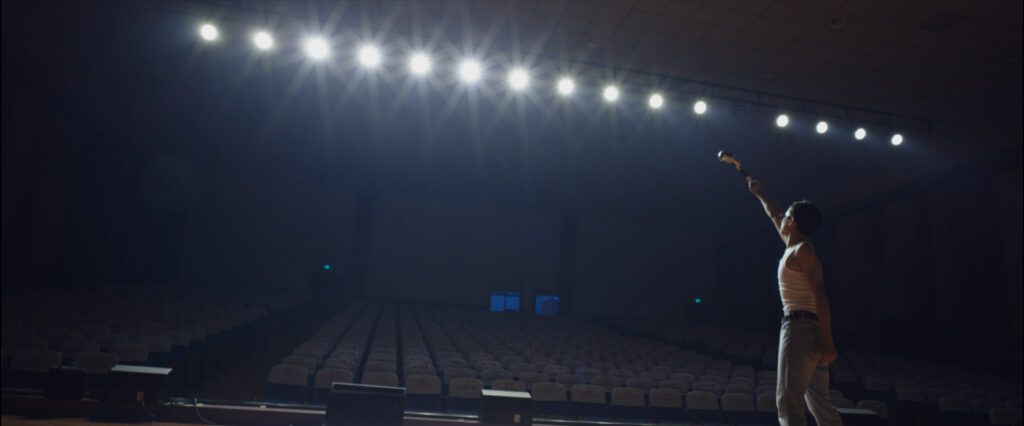
From the beginning of camera rehearsals through to completing this sequence took about four hours. The home visit long take runs three minutes, and took twenty-two takes before we got it. Camera rehearsals also took considerable time. Although I'm accustomed to operating the camera myself, my physical strength is relatively modest—so a lightweight rig like the MAVO LF is very friendly to me. Even long takes using a gimbal don't exhaust me, allowing me to maintain a good working state throughout.
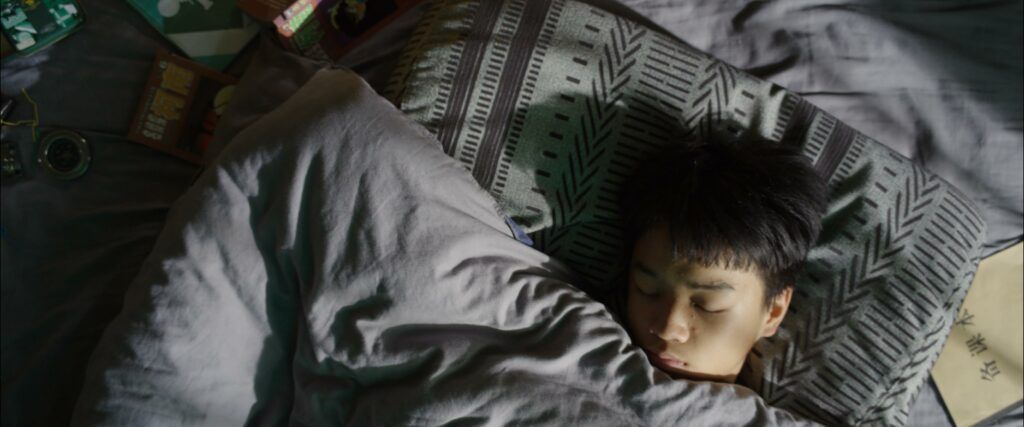
When shooting the 'Maoran's awakening' sequence, the entire scene was accomplished with a single top-down lateral tracking shot—a design made possible by the Tourise JQ40 second-gen jib arm and Ronin-S. Because the camera position needed to be very high—almost touching the ceiling—and the bed was large, the jib needed to be positioned far from the shooting area. Conventional small jibs don't have sufficient reach, but the JQ40 is extendable up to five meters, which could fully reach the height I needed. And since the MAVO LF was mounted on the Ronin-S, my assistant could control the electronic pan/tilt via an app to coordinate with my jib moves and ensure the best camera angle. Furthermore, the jib was mounted on a fluid head tripod—using a fluid head to control the jib makes camera movement control more precise and smooth.
Closing Thoughts
"Maoran's Day" features a very rich range of expressive forms, diverse shooting methods, and highly complex lighting environments—and the MAVO LF handled all of it completely. Its flexible modes of use, support for a wide variety of lenses, remarkable high-ISO performance, compact size, and streamlined post-production workflow entirely eliminated every technical concern a cinematographer might otherwise face, and tremendously liberated my creativity.